
A Painful, Light-Sensitive Red Eye Needs Attention
Get an eye exam today
For sudden vision loss, seek care right away at an emergency department. 12 If your eye is red and hurts, bright light hurts, or your sight is blurry, call an eye doctor today. These can be signs of uveitis. 32 Say when the change began. Other eye problems can look the same, so an exam is needed to find the cause. 4
Sudden loss of sight needs emergency care
Vision loss is a late symptom of uveitis, and untreated uveitis can cause vision loss. 3 If you suddenly cannot see, seek emergency care now. 12 Report a milder new blur when you call rather than waiting for sight loss. 3
Symptoms That Should Move Your Call Forward
Pain and light sensitivity
Acute anterior uveitis commonly causes eye redness, pain and sensitivity to light, often developing over a few days. 4 Light sensitivity means ordinary light hurts or makes you want to keep the eye closed. Describe how much the pain interferes with reading or normal activity so the team can understand your symptoms.
Blur, very red eye, or a rapid change
Uveitis symptoms can include blurred vision, a very red eye, and floaters, and they may develop quickly. 31 Call for prompt assessment of a new vision change even if an earlier flare felt similar. 32 If sight is suddenly lost, seek emergency care rather than waiting for a routine appointment. 12
What Anterior Uveitis Means
Inflammation inside the front of the eye
Uveitis is inflammation inside the eye; anterior uveitis affects the iris, the colored part near the front. 3 Anterior uveitis is also called iritis. 4 An eye examination is needed to determine whether anterior uveitis is present. 34
One eye may be affected, but patterns vary
Uveitis can affect one or both eyes and may occur once, return later, or become long-lasting. 3 A past episode does not prove that a new red eye is another flare, because other conditions can cause overlapping symptoms. 4 Tell the examiner which eye is involved, when symptoms began, and whether the pattern matches or differs from your prior experience.
Why Symptoms Alone Cannot Name the Cause
Several paths can lead to inflammation
Uveitis may be linked to an infection or an immune-system condition, and sometimes the cause remains unknown. 3 The eye examination and medical history guide whether additional tests are needed. 34
Other red-eye conditions can look similar
Conjunctivitis, corneal inflammation, and scleritis can produce symptoms that overlap with acute anterior uveitis. 4 Pink eye can also cause redness, discomfort, light sensitivity or blurry vision, and its cause may be hard to tell from symptoms alone. 5 An examination can distinguish these look-alikes before treatment is chosen. 45
How Anterior Uveitis May Feel and Look
The common front-of-eye pattern
Anterior uveitis may cause a painful red eye, light sensitivity, blurred or cloudy sight, watering, headache, and sometimes a small or irregular pupil. 6 You may have only some of these symptoms; do not wait for the full list before calling about a painful, light-sensitive red eye. 132 Report what is happening and whether it is changing.
Symptoms that do not rule it out
People with uveitis may have some or all of the listed symptoms, and sometimes uveitis causes no symptoms. 1 The degree of visible redness alone cannot establish whether anterior uveitis is present. 41 If your clinician gave you a flare plan, follow its contact instructions and report new vision symptoms promptly.
What the Eye Examination Looks For
History and a close look at the eye
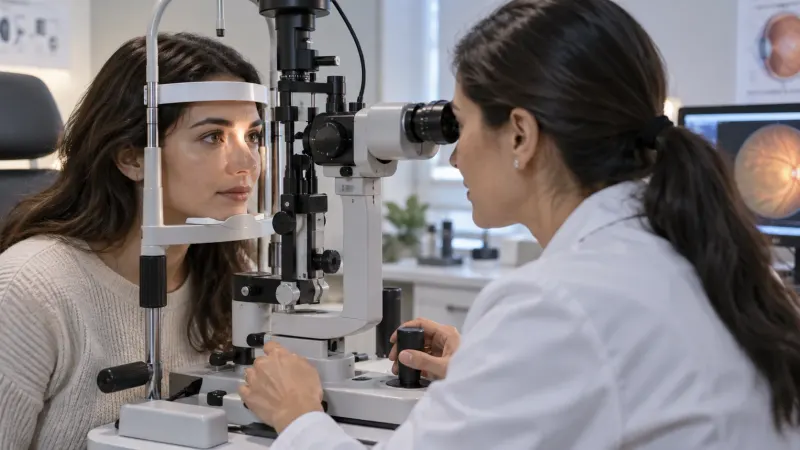
An eye doctor can check for uveitis during a dilated eye examination and will ask about medical history. 3 Be ready to describe when pain, redness, light sensitivity or blur began and whether you have had an episode before. Bring a list of medicines and relevant health conditions. The examination helps distinguish anterior uveitis from other eye conditions with similar symptoms. 4
Tests depend on the findings
After reviewing your medical history, the eye doctor may recommend tests to look for an infection or another disease that can cause uveitis. 3 For acute anterior uveitis, the AAO EyeWiki describes targeted testing based on the eye findings and history rather than an untargeted panel for everyone. 4 A symptom checklist cannot replace that assessment. 34
Why Follow-Up Matters Even If Pain Eases
Inflammation can return or affect vision
Uveitis can come back, become chronic, and cause vision loss if it is not treated. 3 Research across uveitis populations associates visual recovery with preserved eye structures and control of inflammation, but it cannot predict an individual's result. 2 Bring any past uveitis history to the eye visit.
Treatment and monitoring are individualized
Treatment depends on which part of the eye is affected and other health conditions. Steroid medicines can reduce inflammation but may increase the risk of cataracts or glaucoma, so regular eye exams are important. 3 Because infections and other conditions can resemble acute anterior uveitis, the clinician must confirm the cause before choosing treatment. 4 Do not self-medicate with drops left from a previous episode; ask your eye-care team for advice. 7 Ask what change should trigger a call before the next planned visit.
When to Call and Whom to See
Call today for a new painful, light-sensitive red eye
The National Eye Institute advises seeing an eye doctor right away for symptoms of uveitis, including pain, redness, light sensitivity, or blurred vision. 32 Tell the scheduler about any previous uveitis diagnosis, current change in sight, and which eye is affected. Ask the office how to arrange that prompt assessment.
Escalate a major sight change
The NHS advises emergency care for loss of vision with suspected uveitis. 12 Do not drive yourself if sight has changed enough to make driving unsafe. For a smaller but new blur, arrange prompt assessment rather than waiting for a routine follow-up. 32
Questions About Anterior Uveitis Symptoms
Can anterior uveitis start suddenly?
Yes. Acute anterior uveitis symptoms often develop rapidly over a few days and can include pain, redness and light sensitivity. 4 A quick onset does not identify uveitis by itself because other eye conditions can resemble it. 4 If you have a painful, light-sensitive red eye, call for a prompt examination. 32 Tell the team when symptoms began and whether vision changed.
Does it always make the eye very red?
No. The NHS says a person may have some or all listed uveitis symptoms, and sometimes uveitis causes no symptoms. 1 If you have eye pain, sensitivity to light, or blurry vision, see an eye doctor right away. 32 If you have a history of uveitis, follow your clinician's flare instructions and describe any new pattern when you call.
Can it affect both eyes?
Yes. Uveitis can affect one eye or both eyes. 3 Mention which eye started first and whether symptoms are similar on both sides. 4 A painful or light-sensitive red eye still warrants prompt assessment whether it is on one side or both. 32
Are floaters a symptom of anterior uveitis?
The National Eye Institute lists floaters among symptoms of uveitis. 3 Floaters alone do not establish anterior uveitis; an examination is needed to identify where the problem lies. 34 Report new floaters, blur, or light sensitivity when you call. A sudden loss of sight needs emergency care. 12
Is this the same as pink eye?
No. Anterior uveitis is inflammation inside the eye near the iris, while pink eye affects the inner eyelid and the white part of the eye. 35 Both can cause redness and discomfort, so pain, light sensitivity or blur calls for an examination rather than treatment chosen from eye color alone. 352
Questions About the Eye Visit and Next Steps
How is anterior uveitis diagnosed?
An eye doctor checks for uveitis during an eye examination and asks about your medical history; additional testing may be recommended if the findings suggest an infection or another illness. 3 Bring the timing of symptoms, past flare details, and a medicine list. The examination helps distinguish uveitis from other causes of a painful red eye. 4
Can I use drops left from a previous flare?
Acute anterior uveitis can resemble infections and other eye conditions that require a different diagnosis. 4 A familiar feeling does not confirm the cause this time, and self-medicating with leftover steroid drops may worsen another condition. 7 Ask your eye-care team before using old prescription drops for a new episode. 7 Discuss whether you should be examined first and how to follow the plan your clinician previously gave you.
What if the pain eases before my visit?
Tell the eye-care team that pain improved, but keep the appointment or ask them whether the timing should change. Uveitis can recur and may damage sight when untreated. 3 Report any remaining blur or light sensitivity and follow the clinician's reassessment instructions. Note when the pain eased so you can describe the change clearly.
When should I seek emergency help?
Loss of vision with suspected uveitis calls for emergency care. 12 A new painful red eye with light sensitivity or blur calls for prompt eye assessment even before sight is lost. 32 Tell the eye team when the vision change began and whether you have had uveitis before.
Questions to Ask Your Doctor
- What findings show whether this is anterior uveitis or another cause of red eye?
- Do I need testing for a related condition?
- Which symptoms should make me call sooner?
- What follow-up will check that the inflammation has settled?
Sources
- NHS, accessed 2026. Uveitis.
- Chen et al., Inflammation Research, 2026. What are the key predictors of visual function recovery in uveitis? A systematic review and meta-analysis unraveling structural, genetic, and immunological determinants.
- National Eye Institute, 2024. Uveitis.
- American Academy of Ophthalmology EyeWiki, 2026. Acute Anterior Uveitis.
- National Eye Institute, 2025. Pink Eye.
- University Hospitals Birmingham NHS Foundation Trust, 2025. Symptoms of uveitis.
- Moorfields Eye Hospital NHS Foundation Trust, accessed 2026. Anterior uveitis (iritis).