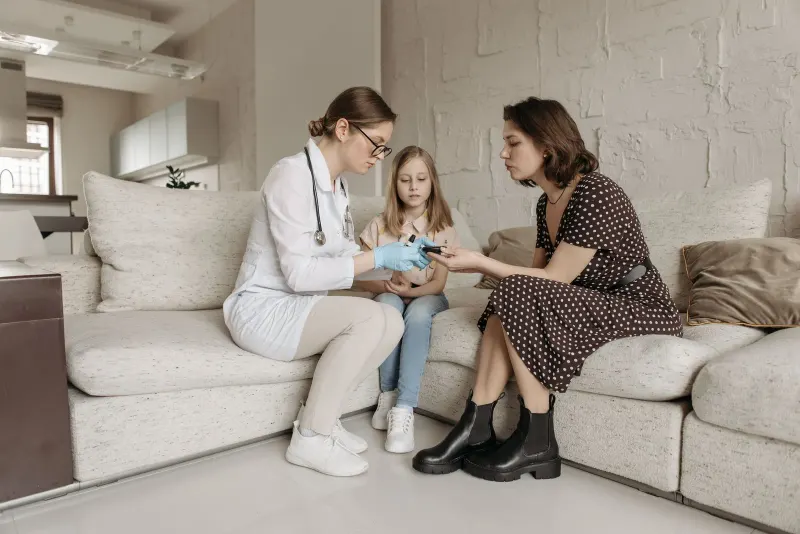
An autism-friendly eye exam begins before the patient enters the room by identifying sensory triggers, communication preferences, successful rewards, and the most important clinical questions. The team can change lighting, pacing, language, test order, and response methods while still collecting objective information.
Autism and Eye Exams Preparing for Sensory Needs is about making eye care more predictable, respectful, and useful. An eye exam can involve bright lights, close face-to-face interaction, unfamiliar instruments, eye drops, waiting, and quick changes in instructions. For an autistic child, teen, or adult, those sensory and communication demands may be harder than the vision tests themselves.
Preparation can help. The goal is not to force someone through a standard exam at all costs. The goal is to gather the needed information while reducing distress, allowing communication supports, and pacing the visit when possible. A good exam can be flexible without becoming incomplete.
What matters first for autism eye exam sensory needs?
Autistic patients may need extra preparation for lights, touch, waiting, transitions, and eye drops.
- Caregivers can share communication style, sensory triggers, and successful calming supports before the visit.
- The eye care team may adjust pacing, language, lighting, breaks, and testing order.
- Dilation may still be important when eye health needs to be checked.
- Eye pain, injury, sudden vision change, or light sensitivity needs prompt care.
Why Eye Exams Can Feel Overwhelming
An eye exam is a sensory-heavy medical visit. The patient may be asked to sit close to equipment, look into lights, cover one eye, answer subjective questions, tolerate drops, and keep still. The room may have unfamiliar sounds and smells. For some autistic patients, uncertainty is the hardest part.
Preparation works best when it is specific. Instead of saying the exam will be easy, explain what may happen in simple steps. Pictures, a short written schedule, a social story, or a practice visit to see the room may help some patients. Others prefer fewer words and more control over breaks.
What to Share Before the Appointment
How the patient communicates yes, no, pain, or overload. Its clinical relevance changes only after the clinician considers severity, reliability, and competing explanations.
- Whether spoken instructions, pictures, typing, or gestures work best
- Known triggers such as bright lights, touch near the face, or waiting
- Comfort items, headphones, sunglasses, or fidgets that help
- Whether eye drops have been difficult before
- Any school or therapy reports about visual behavior
Sharing this information ahead of time helps the office plan. A longer appointment, quieter time of day, dimmer room when possible, or fewer transitions may make the exam more successful.
What the Eye Doctor Needs to Learn
The eye doctor still needs accurate information. Depending on age and symptoms, the exam may check visual acuity, refraction, eye alignment, eye movement, focusing, depth perception, eye pressure, and eye health. If the patient cannot complete a standard letter chart, the team may use matching, pictures, observation, or objective instruments.
A dilated exam may be recommended to see the retina and optic nerve. Dilation drops can sting briefly and blur near vision for a while. If drops are a major barrier, ask the eye care team how they handle preparation, timing, and alternatives. Skipping dilation may be reasonable for some visits but not for every concern.
Ways to Make the Visit More Manageable
Ask for the first or least crowded appointment time if waiting is difficult.
- Bring preferred communication supports.
- Use simple, concrete language about each step.
- Allow breaks between tests when possible.
- Let the patient touch safe equipment before it is used, if helpful.
- Bring sunglasses for after dilation.
For some patients, the exam may need to be divided into more than one visit. That is not failure. It can be the safest way to get reliable results without turning eye care into a traumatic experience.
Vision Behaviors That Deserve Attention
Autistic patients may show vision concerns through behavior rather than complaints. Watch for closing one eye, holding objects very close, avoiding near work, bumping into objects, tilting the head, squinting, new light sensitivity, eye rubbing, or changes in school or work function. These signs do not prove an eye condition, but they are worth checking.
Some visual behaviors may be sensory preferences rather than eye disease. Others may reflect refractive error, eye teaming problems, amblyopia, strabismus, dry eye, allergy, or retinal concerns. An exam helps avoid guessing.
When Eye Care Should Not Wait
Seek prompt or same-day care for eye injury, sudden vision loss, severe eye pain, a red painful eye, strong light sensitivity, new eye swelling, chemical exposure, or new double vision. If communication is limited, watch for guarding the eye, refusing light, sudden clumsiness, vomiting with eye pain, or a major behavior change after possible injury.
Emergency visits can be especially stressful, so bring communication tools and a concise note about sensory needs. The urgent problem still needs attention, but the way care is delivered can often be adjusted.
Questions Caregivers Can Ask
Can we send sensory and communication information before the visit? The value of that observation changes only after the clinician considers severity, reliability, and competing explanations.
- Which parts of the exam are most important today?
- Can the testing order be adjusted if fatigue builds?
- What signs after dilation should worry us?
- Do we need a follow-up visit to complete any testing?
Autism-informed eye care is not about lowering standards. It is about reaching the same medical goal with better preparation, clearer communication, and more respect for how the patient experiences the exam.
After the Visit
After an eye exam, caregivers should ask for instructions in a format the patient and support team can use. If glasses are prescribed, the adjustment may need a gradual plan. If dilation was used, light sensitivity and near blur may make the rest of the day harder. Planning a quiet activity afterward can reduce overload.
- Ask what was completed and what still needs to be checked.
- Ask whether glasses should be worn full time, for school, or for near work.
- Ask how to introduce glasses if the patient rejects the sensation at first.
- Ask what symptoms should lead to urgent care despite sensory barriers.
When a visit goes poorly, it can still provide useful information. The next appointment can be shorter, scheduled differently, or focused on one unfinished test.
For the next question after Preparing an Autism-Friendly Eye Exam for Sensory Needs, read How Eye Exams Can Be Adapted for Autism and keep its purpose separate from the autism eye exam sensory needs decision explained here.