Halos Around Lights and Your Next Decision
Start With the Cause Rather Than a Treatment
The most useful first decision is whether to book an eye examination, not which drop, lens, or procedure to choose. Refractive errors can cause halos around bright lights. 1 Cataracts can cause halos around lights. 2 Dry eye can cause blurry vision and light sensitivity. 3
Use Pattern and Function to Prepare
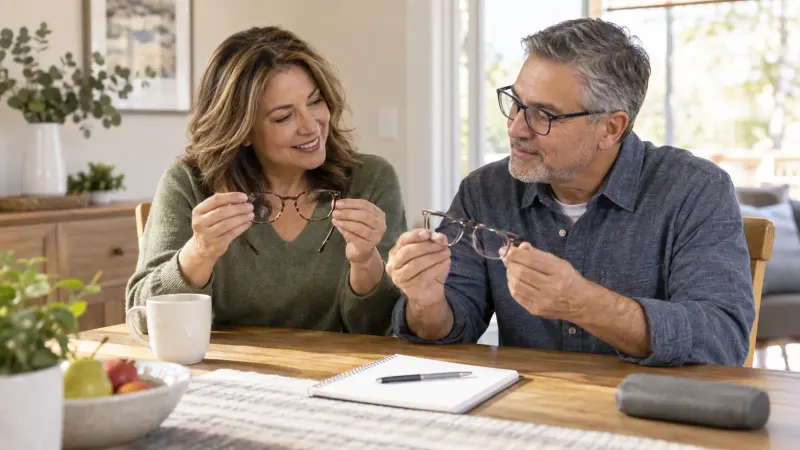
Before the visit, note whether halos affect one eye or both, started suddenly or gradually, remain constant or come and go, and change after blinking. Record whether they appear only at night and whether they interfere with driving, reading signs, or recognizing people. Bring your current glasses, contact-lens details, eye-drop list, medicine list, and the date of any recent eye procedure. These details can make the treatment discussion more specific. For a related symptom pattern, read Selecting Care Options for Double Vision.
Expect More Than One Reasonable Option
For refractive error, NEI lists glasses, contact lenses, and surgery as correction paths. 1 For early cataract symptoms, NEI lists practical adjustments and a new prescription before surgery becomes necessary for many people. 2 The right choice depends on what the examination shows and how much the halos affect activities you need or value.
Why the Same Halo Symptom Can Lead to Different Care
Focusing Errors Can Distort Bright Lights
Refractive errors occur when the shape of the eye keeps light from focusing correctly on the retina, and glare or halos around bright lights can be among the symptoms. 1 Ask whether a different lens changes the symptom and whether the clearest prescription also improves the real task that concerns you, such as reading road signs after dark.
The Tear Film Can Change Visual Quality
Dry eye can cause blurry vision, sensitivity to light, burning, scratchiness, or redness, and an eye doctor may assess tear amount, tear stability, and eyelid structure. 3 Tell the clinician if halos change after blinking or come with surface discomfort. Dry-eye treatment depends on what is causing the symptoms. 3
The Natural Lens Can Become Cloudy
Cataracts can cause halos, glare from headlights or lamps, trouble seeing at night, cloudy vision, and frequent prescription changes. 2 The decision is not based on the word “cataract” alone. Ask how well the examination findings match your symptoms and whether a prescription change or environmental adjustment is likely to be enough for now.
What the Eye Examination Needs to Sort Out
Refraction and Eye Health Answer Different Questions
A comprehensive eye examination can test refractive error and may include dilation to look for other eye problems. 1 Ask which lenses make vision clearest, which examination finding explains the halos best, and whether more than one factor may be contributing.
Symptom Timing Helps Test the Explanation
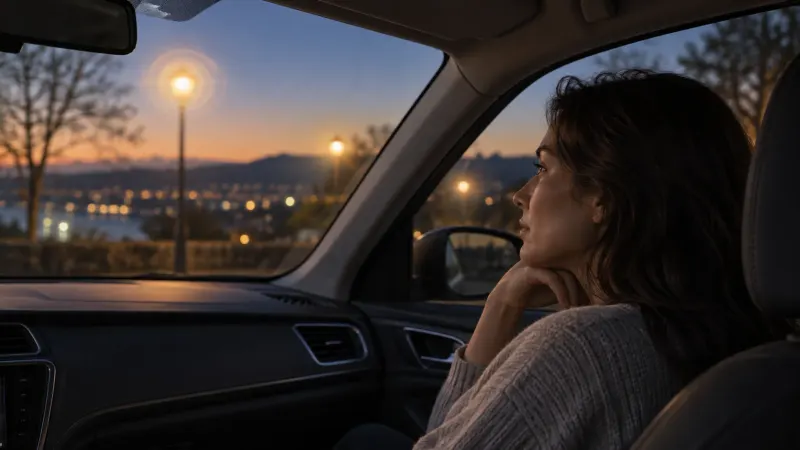
Tell the clinician when the halos began, what the light source looks like, and whether the effect changes with blinking, glasses, contacts, or time of day. If only one eye seems affected, cover one eye at a time while you are safely stationary and describe the difference at the visit. Do not test this while driving. A photo of the lighting situation may help explain the setting, although it cannot reproduce exactly what you see. You can compare this topic with Choosing Ways to Manage Eye Exam Anxiety.
Recent Procedures Change the Question
If halos began after LASIK or another eye procedure, name the procedure and date. The FDA lists glare, halos, double vision, reduced low-contrast vision, and dry eye among possible problems after refractive surgery. 4 Ask whether the current pattern is expected for your stage of recovery, what improvement timeline is realistic, and what examination finding would change the plan.
Compare the Main Care Paths Before You Choose
Care Options by Likely Cause
When refractive error is the important finding, glasses or contacts are correction paths. 1 When dry eye is identified, treatment varies with its cause and severity. 3 For cataract, practical changes or a new prescription may help early symptoms; surgery may be suggested when daily activities are affected and is the option that removes the cloudy lens. 2 After refractive surgery, glare or halos can affect night vision. 4 Additional treatment may be needed but may not be possible, and glasses or contacts may still be needed. 4 Across these paths, compare how well the option fits the examination finding, whether it is reversible, how much burden it adds, and what limitations may remain.
Try the Lowest-Burden Reversible Step When It Fits
NEI describes eyeglasses as the simplest and safest way to correct refractive errors. 1 If the examination supports a focusing problem, ask whether glasses are a suitable first step. If it supports dry eye, ask how long to try the recommended plan and what result would count as meaningful improvement.
Move to a Procedure Discussion for a Defined Reason
NEI says cataract surgery may be suggested when cataracts interfere with activities such as reading, driving, or watching television. 2 NEI also says most people do not need to rush into cataract surgery. 2 The FDA advises weighing refractive-surgery risks and benefits according to personal values. 4 The FDA also cautions that there are no guarantees in medicine. 4
What Each Treatment Path Can and Cannot Do
Prescription Lenses Address Focusing Error
Glasses and contact lenses are options for correcting refractive errors. 1 Surgery is the only way to remove a cataract. 2 Ask to compare the updated prescription with your current correction in conditions that approximate your problem when feasible. If halos remain despite clear chart vision, tell the clinician and ask what else should be examined.
Dry-Eye Care Depends on the Finding
NEI lists artificial tears for mild dry eye and describes prescription drops, lifestyle changes, tear-duct plugs, or selected eyelid surgery for other situations. 3 This does not mean every person with halos should start drops. Ask what dry-eye finding was seen, which treatment matches it, how often the plan should be reviewed, and whether any medicine or contact-lens habit needs discussion.
Cataract Surgery Addresses the Cloudy Lens
Surgery is the only way to remove a cataract, while early cataract symptoms may sometimes be managed with better lighting, anti-glare sunglasses, magnification, or a new prescription. 2 If surgery is offered, connect the decision to a specific limitation rather than an abstract test number. Ask what improvement is realistic for halos and night driving, what other eye findings may limit the result, and what visual effects can remain after surgery.
Set Expectations for Halos and Night Vision
Clearer Chart Vision May Not Answer Every Concern
Tell the clinician if your main problem is glare, contrast, or confidence after dark. The FDA notes that some people can have glare, halos, or reduced low-contrast vision after refractive surgery even when standard chart vision is good. 4 Ask how your concern will be measured or followed and which result would prompt a change in plan.
Use Function as a Follow-Up Measure
Choose one or two practical measures before treatment, such as whether you can read street signs at a familiar distance, tolerate oncoming headlights, or complete an evening commute. Compare the same task after the agreed trial period and write down the result. If you do not feel safe driving, arrange another way to travel and tell the clinician. For another care decision in this area, see Ten Ways to Relieve Red Eyes Safely.
Avoid Promises About a Personal Result
The FDA states that there are no guarantees in medicine. 4 After refractive surgery, additional treatment may be needed but may not be possible, and glasses or contacts may still be needed. 4 NEI says cataract surgery may be suggested when cataracts interfere with everyday activities. 2 Ask for the likely range of outcomes in someone with your examination findings and which uncertainties remain.
Questions That Make the Visit More Useful
Ask the Clinician to Name the Working Explanation
Useful questions include: Which finding best explains the halos? Is there more than one likely contributor? What is the least invasive reasonable option? How long should I try it? What would make you change the plan? If the answer is uncertain, ask what follow-up can narrow it. This keeps the conversation tied to evidence from your examination rather than a generic list of halo remedies.
Compare Benefits Against the Burden You Care About
Explain whether your priority is safer night driving, fewer symptoms, freedom from glasses, comfort with contacts, or avoiding a procedure. Then ask what each option is likely to change and what it cannot change. For a procedure, ask about alternatives, recovery, possible persistent visual symptoms, and the clinician's follow-up plan. For a reversible trial, ask how to use it consistently enough to judge fairly.
When Halos Need Faster Eye Care
Seek Same-Day Care for the Painful Red-Eye Pattern
Acute angle closure can cause blurred vision, halos, intense eye pain, nausea, or vomiting. 5 It can also cause eye redness and decreased vision. 6 Acute primary angle closure is an ophthalmic emergency, and prompt treatment is associated with a better prognosis. 7 This pattern requires prompt emergency eye care. 7
Book a Routine Eye Examination for Persistent Halos
Refractive errors can cause halos around bright lights. 1 Cataracts can also cause halos. 2 NEI advises talking with an eye doctor if you notice cataract-type symptoms such as halos because the same symptoms may be signs of another eye problem. 2 Tell the office what changed so it can advise the appropriate timing.
Start With General Eye Care in Most Routine Cases
NEI says an eye doctor can check refractive error as part of a comprehensive eye examination. 1 Dry eye can be checked as part of a comprehensive dilated eye examination. 3 An eye doctor can check for cataracts as part of a dilated eye examination. 2 If the examination identifies a problem that needs surgery or subspecialty care, ask the clinician to explain the next referral.
Common Questions About Choosing a Halo Care Path
Are halos around lights always caused by cataracts?
No. Refractive errors can cause glare or halos. 1 Cataracts can also cause halos. 2 NEI notes that cataract-type symptoms can also be signs of other eye problems. 2 A comprehensive eye examination can check for refractive error. 1 A dry-eye examination may assess tear amount, tear stability, and eyelid structure. 3 A dilated eye examination can check for cataracts. 2 Ask which finding best matches your symptom before choosing treatment.
Can a new glasses prescription reduce halos?
NEI describes eyeglasses as the simplest and safest way to correct refractive errors. 1 If symptoms continue despite current glasses or contacts, NEI says you might need a new prescription and should get an eye examination. 1 Ask to compare your present correction with the proposed one. If the halo remains with the clearest prescription, ask what else may be contributing.
Should I try artificial tears before booking an exam?
Do not assume that halos are dry eye. NEI describes artificial tears as the most common treatment for mild dry eye. 3 NEI says dry-eye treatment depends on what is causing the symptoms. 3 Burning, scratchiness, redness, light sensitivity, and blurry vision can occur with dry eye. 3 Mention these symptoms when booking.
Does seeing halos only at night make them harmless?
No. Treat night-only timing as a clue, not a diagnosis. Refractive errors can cause halos around bright lights. 1 Cataracts can cause halos and trouble seeing at night. 2 Record when the halos occur and how they affect driving, then discuss the pattern at an eye examination. Use another way to travel if you do not feel safe behind the wheel.
More Questions to Bring to Your Eye Doctor
What if halos began after LASIK?
Describe when the halos began, whether they are changing, and how they affect night vision. The FDA lists glare, halos, and reduced low-contrast vision among possible issues after refractive surgery. 4 The FDA also describes severe dry eye as a possible problem after refractive surgery. 4 Ask the surgeon's office whether the pattern fits the expected recovery stage, which examination findings matter, and when reassessment is needed.
How quickly should I arrange a non-urgent appointment?
NEI advises talking with an eye doctor if you notice halos because they may also be signs of another eye problem. 2 Tell the office whether it started suddenly, affects one or both eyes, follows a procedure, or comes with pain or redness so the team can advise timing. The routine pathway on this page applies only when the same-day warning pattern described above is absent.
Can I keep driving while I wait?
Do not drive when halos, glare, or blur make you feel unsafe or prevent you from seeing road signs, lane markings, pedestrians, or oncoming traffic clearly. Arrange another ride and tell the clinician exactly which driving conditions are difficult. A clinic cannot judge your real-world safety from a web page, so use your current ability and local driving rules while awaiting assessment.
Questions to Ask Your Doctor
- Which examination finding best explains my halos?
- Could more than one factor be contributing?
- What is the least invasive reasonable option, and how long should I try it?
- What improvement should I look for in night driving or another daily task?
- What are the main risks, limits, and alternatives for the option you recommend?
- What symptom change should make me call sooner?
Sources
- National Eye Institute (2025). Refractive Errors.
- National Eye Institute (2026). Cataracts.
- National Eye Institute (2025). Dry Eye.
- U.S. Food and Drug Administration (2023). What are the risks and how can I find the right doctor for me?.
- American Academy of Ophthalmology EyeWiki (2026). Primary vs. Secondary Angle Closure Glaucoma.
- MSD Manual Professional Edition (2025). Angle-Closure Glaucoma.
- BMJ Clinical Evidence via PubMed Central (2015). Glaucoma: acute and chronic primary angle-closure.