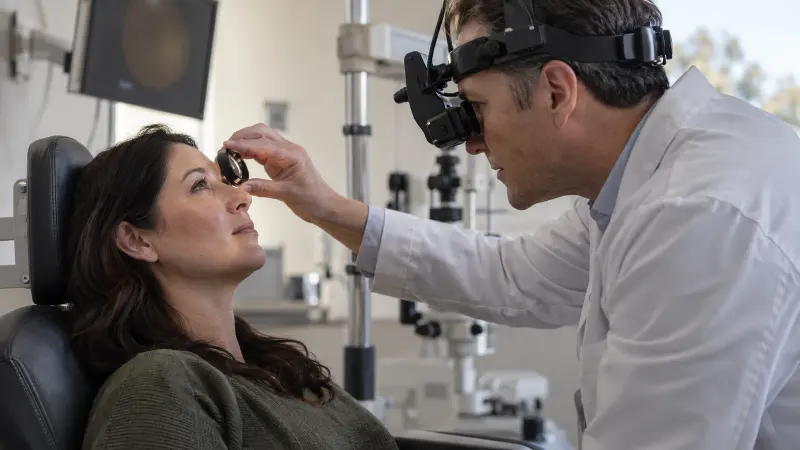

Diabetic eye disease can progress while central vision remains normal because early retinal damage may not involve the area used for sharp sight. Regular dilated retinal examinations or validated retinal imaging are therefore important even without symptoms, with timing based on diabetes type, pregnancy, prior findings, and clinical guidance.
Diabetic Eye Disease and Why Vision Can Stay Normal Until It Is Advanced is one of the most important lessons for people living with diabetes. Vision can seem clear while blood vessels in the retina are already changing. The retina is the light-sensitive tissue at the back of the eye. Diabetes can damage its small blood vessels before a person notices blur, floaters, or dark spots.
This gap between eye damage and symptoms is why dilated eye exams matter. Waiting for blurry vision can mean waiting until disease is harder to manage. Early detection gives the eye care team a chance to monitor, coordinate diabetes care, and treat changes before vision is threatened.
What matters first for diabetic eye disease no symptoms?
Diabetic eye disease can be present before vision feels different. How much that point matters should be judged against the symptom timeline, affected task, and current examination.
- A dilated eye exam lets the eye doctor check the retina more completely.
- Blur, floaters, dark spots, or sudden vision loss should be reported promptly.
- Blood sugar, blood pressure, cholesterol, kidney disease, and pregnancy can affect eye risk.
- Clear vision is not proof that the retina is healthy.
Why Vision Can Stay Normal
Diabetic retinopathy often starts in tiny retinal blood vessels. Early changes may include small leaks, swelling, or weak vessel walls. These can happen away from the very center of vision, so the person may still read, drive, and use screens normally. The brain also adapts to small changes, making early disease easy to miss.
The CDC explains that diabetes can damage small blood vessels at the back of the eyes and that dilated eye exams help find problems early. The exam is preventive, not only symptom-based.
What Diabetic Eye Disease Can Include
Diabetic retinopathy is the best-known condition, but diabetes can affect the eyes in several ways. Fluid can build up in the macula, the part of the retina used for sharp central vision. New fragile blood vessels can grow in advanced disease and bleed. Diabetes can also increase risk for cataracts and glaucoma.
Some changes are watched closely. Others need treatment such as injections, laser, or surgery. The right plan depends on the stage of disease, whether swelling is present, vision level, and the health of the rest of the eye.
Symptoms That Should Be Checked
New floaters or spots. Its clinical relevance comes from repeatability, context, and agreement with the rest of the record.
- Blurred or fluctuating vision
- Dark or empty areas in vision
- Difficulty reading or recognizing faces
- Vision that changes with blood sugar swings
- Sudden loss of vision in one eye
Symptoms do not reliably match severity. A person with mild symptoms can have important retinal findings, and a person with advanced disease may have adapted to gradual loss. Reporting changes is important, but scheduled exams remain necessary.
What Happens During the Eye Exam
A diabetic eye exam often includes vision testing, pressure measurement, dilation, and a detailed retinal exam. The eye doctor may use photographs or optical coherence tomography, often called OCT, to look for swelling in the macula. These tests help track change over time.
Dilation makes the pupil larger so the clinician can see more of the retina. After dilation, near vision and light sensitivity may be temporarily affected, so sunglasses and transportation planning can help.
How General Health Affects the Eyes
Eye care is only one part of diabetes care. Blood sugar patterns, blood pressure, cholesterol, smoking, kidney disease, and pregnancy can influence retinal risk. Good coordination between eye care, primary care, endocrinology, and pregnancy care when relevant can reduce missed signals.
Patients sometimes feel blamed when diabetes complications are discussed. That is not useful. The goal is to understand risk, find changes early, and make a plan. Even people working hard on diabetes management can develop eye disease and deserve timely care.
When Care Is Urgent
Seek urgent eye care for sudden vision loss. The value of that observation changes only after the clinician considers severity, reliability, and competing explanations.
- Call promptly for a sudden shower of floaters.
- Do not wait if a dark curtain or shadow appears.
- Report eye pain, severe redness, or new halos with nausea.
- Pregnant patients with diabetes should ask about eye exam timing early in pregnancy.
These symptoms can reflect bleeding, retinal detachment, pressure problems, or other urgent conditions. They should not be watched for weeks.
Questions to Ask at a Diabetic Eye Exam
Do I have diabetic retinopathy or macular edema? Its clinical relevance depends on its timing, associated symptoms, and the examination findings.
- Has anything changed compared with my last exam?
- How often should I be checked?
- Do my eye findings suggest I should update my diabetes care team?
- What symptoms should make me call sooner?
The central point is simple and protective. Diabetic eye disease can be quiet until it is advanced, so clear vision should not delay a dilated exam. The earlier changes are found, the more options the care team has to protect useful vision.
What to Bring to the Visit for diabetic eye disease no symptoms
A diabetic eye exam is more useful when the eye doctor understands the whole health picture. Bring a current medication list, recent diabetes control information if available, blood pressure concerns, kidney disease history, pregnancy status when relevant, and names of the clinicians managing diabetes. You do not need perfect numbers to deserve good eye care.
- Bring prior eye records or retinal photos if you changed offices.
- Tell the doctor about new floaters, blur, or trouble reading.
- Ask whether OCT imaging or retinal photos are needed for tracking.
- Ask when the next exam should happen if no disease is found.
If retinopathy is present, ask which stage it appears to be and whether the findings should be shared with your diabetes care team. Eye changes can be an important signal for overall vascular health.
In Why Diabetic Eye Disease Can Advance Before Vision Changes, if that is the unresolved part of the decision, What Retinal OCT Biomarkers Can Show explains the adjacent issue without replacing the examination described here.