Eye pain, light sensitivity, redness, and blurred vision can indicate corneal injury or inflammation and deserve prompt assessment, particularly in a contact lens wearer. The examination must distinguish abrasion, infection, inflammation, foreign material, and other painful-eye causes before treatment is selected.
Eye pain, light sensitivity, and redness can mean the cornea is involved, especially when symptoms start suddenly or feel worse with blinking. The cornea is the clear front window of the eye, and injury or infection there needs careful attention.
Some red eyes are mild. Pain plus light sensitivity is a more serious pattern because the cornea has many nerves and sits directly in the path of light.
What matters first for eye pain light sensitivity redness?
The cornea can cause sharp pain, tearing, light sensitivity, redness, and blurred vision.
- Contact lens wear raises concern for corneal infection when redness and pain appear.
- A scratch, foreign body, ulcer, inflammation, or infection can involve the cornea.
- Do not patch the eye or keep wearing contacts when pain and redness occur.
- Seek same-day care for pain with light sensitivity, decreased vision, discharge, trauma, or contact lens use.
Why the Cornea Can Hurt So Much
The cornea helps focus light and protects the inside of the eye. It also has dense nerve endings. A tiny scratch, embedded particle, dry spot, or infection can feel much larger than it looks.
The American Academy of Ophthalmology's EyeWiki page on bacterial keratitis describes rapid onset of eye pain, redness, light sensitivity, discharge, and decreased vision as important symptoms. Keratitis means corneal inflammation, and infection is one cause.
Light sensitivity can happen because the inflamed cornea scatters light or because inflammation extends deeper inside the eye. An exam can separate a surface problem from uveitis, glaucoma, or other painful red eye causes.
Symptoms That Raise Concern for eye pain light sensitivity redness
Use caution when pain and redness arrive together. Faster care is safest when symptoms affect vision or follow a clear trigger.
- Moderate or severe pain.
- Light sensitivity or trouble keeping the eye open.
- Blurred or decreased vision.
- A white, gray, or cloudy spot on the cornea.
- Thick discharge or increasing tearing.
- Recent contact lens wear.
- Metal, plant matter, dust, chemical exposure, or eye trauma.
Contact lens wearers should remove lenses when pain, redness, or light sensitivity appears. Save the lens case and lenses if an eye doctor asks to inspect them.
What the Eye Doctor May Do
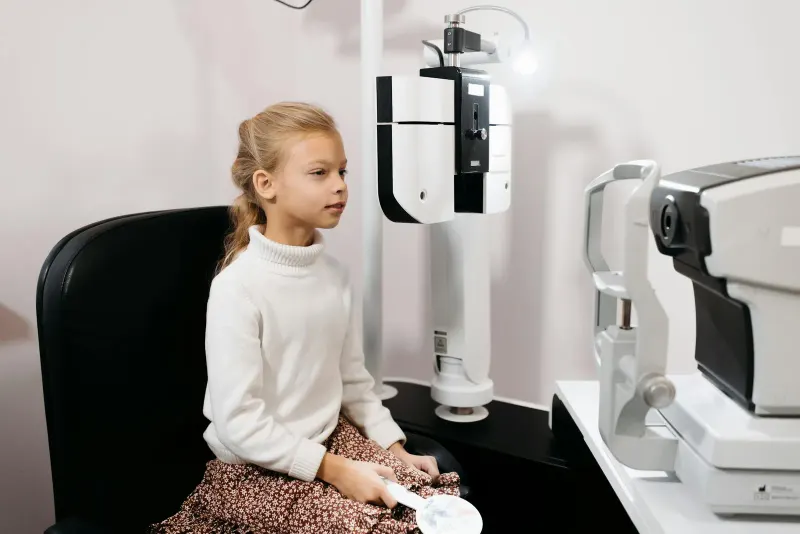
The exam may include vision testing, pupil check, eye pressure when safe, and a slit lamp exam. A slit lamp is a microscope with a bright light that lets the doctor inspect the cornea, eyelids, tear film, and front chamber of the eye.
The doctor may use fluorescein dye to highlight scratches or areas where the surface cells are disrupted. If infection is suspected, the plan may involve prescription treatment and close follow-up. Do not use leftover drops from a prior problem because the wrong medicine can make some corneal conditions worse.
If a foreign body is present, the doctor can determine whether it sits on the surface or has penetrated deeper. A penetrating injury needs emergency care.
What to Avoid While Waiting
Protect the eye from further irritation. Avoid contact lenses, eye makeup, swimming, and rubbing the eye until a clinician says the surface has healed.
- Do not patch a painful red eye unless an eye doctor instructs you.
- Do not rinse contact lenses with tap water or put them back in.
- Do not try to remove an embedded object with tweezers.
- Do not use steroid eye drops unless they were prescribed for this exact problem.
Artificial tears may soothe mild irritation, but they should not delay care when pain, light sensitivity, or decreased vision is present.
Why Same-Day Care Can Protect Vision
Corneal infections and ulcers can scar the clear tissue that focuses light. A scar in the center of the cornea can reduce vision even after infection improves. Early evaluation gives the doctor a chance to identify the cause and monitor healing.
The risk profile changes when a patient wears contacts, has an immune system condition, uses steroid drops, or has had corneal surgery. Tell the clinician about these details at check-in so the visit can be triaged correctly.
Questions people ask about eye pain light sensitivity redness
One common question for people considering eye pain light sensitivity redness is "Can I wait if the redness improves after a nap?" That question and the related points below are answered separately because they do not all depend on the same finding.
Can I wait if the redness improves after a nap?
Improvement is reassuring, but pain with light sensitivity still deserves care if it is new, strong, or tied to contact lens wear. Corneal problems can fluctuate early and then worsen.
Can dry eye cause light sensitivity?
Dry eye can cause burning, blur, and some light sensitivity, but significant pain or decreased vision needs an exam. The doctor can look for scratches, infection, inflammation, or pressure problems.
Should I bring anything to the appointment?
Bring contact lenses, the case, solution name, glasses, and a list of drops or medicines. Mention trauma, water exposure, yard work, metal work, or makeup near the eye.
Eye pain, light sensitivity, and redness deserve more than a wait-and-see approach when the cornea may be involved. A same-day exam is the safest path when the symptom pattern is sharp, painful, contact lens-related, or vision changing.
How Corneal Problems Differ From Common Pink Eye
People often call any red eye pink eye, but corneal symptoms feel different. Conjunctivitis often causes redness, tearing, itching, or discharge with less pain. Corneal abrasion or infection may cause sharper pain, more light sensitivity, and a sense that something is stuck under the lid.
The difference matters because some corneal infections need close monitoring. A clinician may ask you to return within a short interval to confirm that the cornea is improving and that no scar, thinning, or deeper inflammation is developing.
After the Diagnosis for eye pain light sensitivity redness
Follow the treatment plan exactly as prescribed, and ask when contact lenses, makeup, swimming, or sports can resume. If pain, light sensitivity, redness, or vision worsens after the visit, seek faster reassessment rather than waiting for the next planned appointment.
Once the surface heals, your eye doctor may discuss prevention. Contact lens fit, replacement schedule, case hygiene, eyelid inflammation, dry eye, and workplace eye protection can all affect future risk. Prevention depends on the cause found during the exam.
Ask which changes should prompt a same-day return. Clear follow-up instructions are part of safe cornea care, especially when an ulcer, contact lens complication, or injury is on the list.
Readers leaving When Eye Pain Light Sensitivity and Redness Point to the Cornea can continue with Red Flags That Make a Painful Red Eye Urgent, which addresses a distinct step rather than repeating this page.