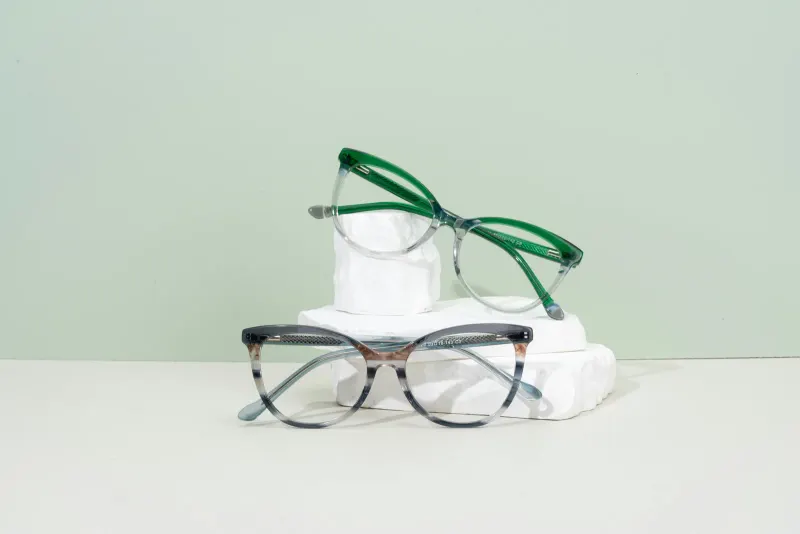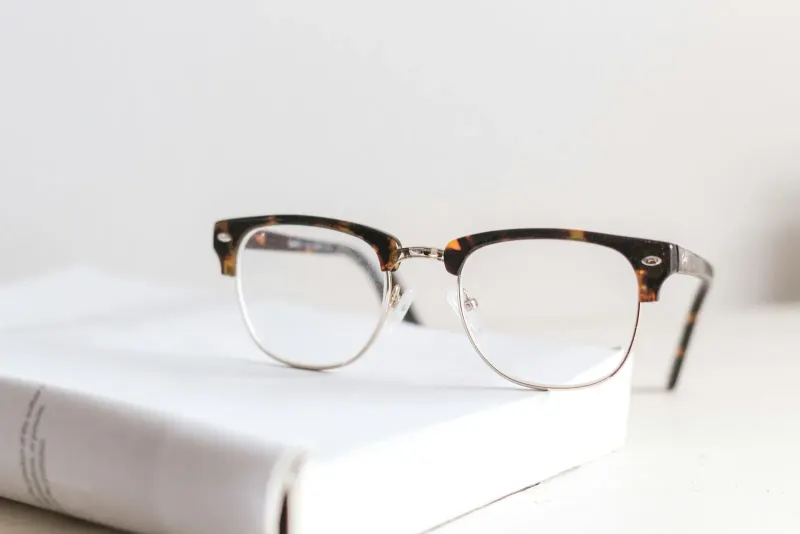

Pupillary distance problems can make new glasses feel strangely uncomfortable even when the written prescription looks right. Pupillary distance, often shortened to PD, is the measurement that helps place each lens so the optical center lines up with the pupil.
When that alignment is off, some people notice blur, pulling, dizziness, eyestrain, or trouble adapting to progressive lenses. A careful optical recheck can separate a lens measurement issue from a prescription change, frame fit problem, or eye condition that needs an exam. For a related symptom pattern, read When a Complex Glasses Prescription Needs a Closer Look.
At a Glance
- PD helps align the clearest part of each lens with the center of each pupil.
- Small measurement differences may matter more with stronger prescriptions, progressives, large frames, or high-index lenses.
- Glasses that feel off can also come from frame tilt, lens height, prescription changes, dry eye, or cataract and retina issues.
- Sudden vision loss, severe pain, new double vision, or new flashes and floaters needs prompt eye care.
Why Pupillary Distance Problems Feel So Noticeable
Pupillary distance problems affect where your eyes look through the lenses. If the lens centers sit too far apart, too close together, or unevenly from one eye to the other, your eyes may work harder to keep images single and clear. You can compare this topic with Optical Centering: Why Glasses Measurements Matter.
The American Optometric Association explains that visual acuity is only one part of overall visual ability. Glasses also depend on how lens power, eye teaming, and frame position work together in daily use.
PD is not the same as the prescription power. The prescription tells the lens how much to bend light. PD helps the optical lab place that power in the correct position for your face and frame.
A slight mismatch may be hardly noticed in a mild single-vision prescription. The same mismatch can feel larger in a strong prescription, a progressive lens, a wide frame, or glasses with significant astigmatism correction.
Other Reasons New Glasses Can Feel Wrong
PD deserves attention, but it is only one possible cause. New glasses may feel different because the prescription changed, the lens material changed, the frame sits differently, or your eyes need time to adapt.
- Lens design can change peripheral blur, especially in progressive, bifocal, or high-power lenses.
- Frame fit affects how far the lenses sit from the eyes and how much they tilt.
- Segment height matters for progressives and bifocals because the reading zone must sit in the right place.
- Prescription accuracy should be rechecked if blur, headache, or eyestrain does not improve.
- Eye surface dryness can make vision fluctuate even when the glasses were made correctly.
It helps to bring your old glasses to the recheck. Comparing the old pair with the new pair can show whether the change is optical, mechanical, or related to the health of the eyes.
How An Optical Recheck Is Done
An optician or eye care professional may measure monocular PD, which means each eye is measured separately from the bridge of the nose. This can be more useful than one total number, especially if the face is not perfectly symmetrical.
The recheck may also include lensometry to confirm the prescription in the lenses, inspection of the optical centers, frame adjustment, and a review of how the glasses sit during normal posture. For progressives, the fitting height and corridor placement are important.
If the glasses measure correctly but vision is still not comfortable, an eye exam may be needed. The issue could be a prescription change, binocular vision strain, cataract, corneal shape change, macular disease, or another condition that glasses alone cannot address.
Symptoms That Deserve Faster Review
Most glasses fit problems are not emergencies, but some symptoms should not be blamed on the glasses. Seek same-day eye care for sudden vision loss, severe eye pain, eye injury, chemical exposure, a curtain-like shadow, new flashes or floaters, or sudden double vision.
Also ask for a prompt recheck if the new pair causes persistent nausea, disorientation, headaches, or blur after a reasonable trial period. Children may describe the problem as tired eyes, not wanting to read, or feeling that the floor looks tilted.
What To Bring To The Visit
- Bring the new glasses, old glasses, and any written prescription you received.
- Describe when symptoms happen, such as reading, driving, stairs, computer work, or switching gaze from far to near.
- Note whether one eye seems worse, whether closing one eye helps, and whether symptoms started suddenly.
- Ask whether PD, lens height, frame tilt, prescription power, and eye teaming were all checked.
A good recheck is practical, not blame-focused. The goal is to find the cause of the discomfort and decide whether a lens remake, frame adjustment, prescription review, or medical eye exam is the safest next step.
Common Questions About Pupillary Distance
Can the prescription be right if the glasses still feel wrong?
Yes. The prescription can match the exam while the finished glasses still feel uncomfortable because lens placement, frame position, or progressive design is not working well for the wearer. The recheck should confirm both the lens power and how the lens sits in front of each eye.
Is one PD number enough?
A total PD can be enough for some simple lenses, but many fittings benefit from monocular PD, which measures each eye separately. Near PD, segment height, and how the frame rests on the nose can also matter for reading glasses, progressives, and strong prescriptions.
How long should adaptation take?
Some adjustment is expected when the prescription, lens design, or frame shape changes. Symptoms should gradually become easier. If the glasses cause persistent blur, pulling, headache, nausea, or trouble with stairs and driving, the safer step is to pause risky tasks and request a careful recheck.
Could an eye problem mimic a glasses error?
Yes. Cataract, dry eye, corneal shape changes, macular disease, and eye teaming problems can make new glasses seem wrong. If multiple pairs have been remade or one eye cannot be sharpened well, the next step may be a medical eye exam rather than another optical adjustment.