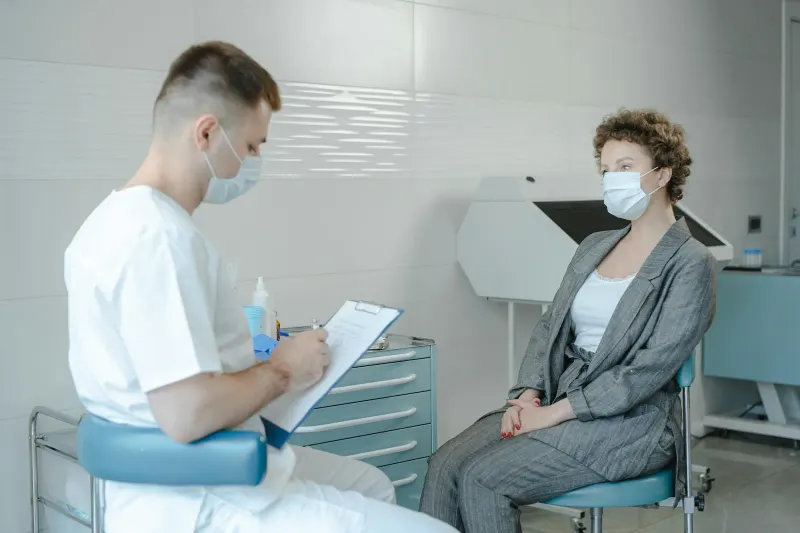

A good LASIK candidate usually has a stable prescription, healthy corneas, realistic expectations, and no eye or health condition that raises risk beyond a reasonable level. Candidacy requires measurements, not guesswork.
The FDA LASIK checklist encourages patients to review risks, alternatives, and questions before surgery. LASIK can reduce dependence on glasses or contacts for some people, but it does not guarantee perfect vision or freedom from glasses.
At a Glance
- LASIK screening checks prescription stability, corneal thickness, corneal shape, dry eye, pupil size, and eye health.
- Some people are better suited for PRK, SMILE, implantable lenses, glasses, or contact lenses.
- Dry eye, thin or irregular corneas, unstable prescription, pregnancy related changes, and certain medical conditions can affect candidacy.
- New eye pain, redness, or sudden vision changes should be evaluated before elective surgery planning.
Core Measurements in LASIK Screening
LASIK reshapes corneal tissue with a laser after creating a flap. Because the cornea provides much of the eye's focusing power, its thickness and shape matter. Screening usually includes refraction, corneal topography or tomography, pupil assessment, tear film evaluation, and a dilated eye exam. For a related symptom pattern, read Ectasia Risk Before LASIK: Why Screening Matters.
Your surgeon compares your current prescription with prior records. A prescription that still changes can lead to less predictable results. The doctor also checks whether the amount of correction leaves enough safe corneal tissue for your eye.
Reasons Someone May Not Be a Candidate
The FDA lists situations where LASIK may not be appropriate, including unstable vision, certain corneal problems, and some medical or eye conditions. Your surgeon should explain any concern in terms of your measurements.
- Thin, irregular, scarred, or unstable corneas.
- Keratoconus or suspicious corneal topography.
- Moderate or severe dry eye that is not controlled.
- Prescription changes that have not stabilized.
- Active eye infection, inflammation, or uncontrolled eye disease.
- Medical conditions or medicines that may affect healing.
Dry Eye and Night Vision Questions
Dry eye can worsen after laser vision correction, especially in people who already have symptoms. Screening should ask about burning, gritty eyes, fluctuating vision, contact lens intolerance, and artificial tear use.
Night vision symptoms such as glare, halos, and starbursts can occur after refractive surgery. People with large pupils, high prescriptions, dry eye, or irregular corneas need a careful discussion about risk and alternatives.
Alternatives to LASIK
Not being a LASIK candidate does not end the conversation. PRK may fit some people because it reshapes the cornea without a flap. SMILE may fit selected prescriptions. Implantable lenses may be considered for some high prescriptions. Glasses and contact lenses remain valid options.
- Ask which options fit your prescription and corneal measurements.
- Ask how each option affects dry eye risk and recovery time.
- Ask whether you may still need reading glasses or distance correction.
- Ask what findings would make surgery less predictable.
Realistic Expectations
LASIK changes focusing power, but it does not stop aging changes in near vision, prevent cataracts, or treat retinal disease. Some people still need glasses for night driving, reading, fine detail, or a small remaining prescription.
A careful consultation should cover benefits, risks, possible enhancements, healing symptoms, and the chance that vision may not match your preferred outcome. Avoid any message that promises a specific result.
What to Bring to a LASIK Consultation
Bring current glasses, contact lens details, old prescriptions if available, and a list of eye or medical conditions. Tell the surgeon about dry eye symptoms, autoimmune disease, past eye infections, eye injuries, keloid scarring history, pregnancy or nursing, and medicines that affect healing or dryness.
Contact lens wear can alter corneal measurements for some people. Follow the clinic's instructions about pausing lenses before testing so the cornea can be measured as accurately as possible.
When to Delay Screening
Delay elective screening if you have an active eye infection, painful red eye, unexplained vision change, or recent eye injury. Seek prompt care first. Elective surgery planning works best when the eye surface and vision are stable.
Questions Before You Say Yes
A good consultation should leave you with a clear reason for the recommendation. Ask what your corneal thickness, corneal shape, prescription stability, and tear film show. Ask what part of your exam makes LASIK reasonable or makes another option safer.
- What result is realistic for my prescription and age?
- What symptoms should I expect during healing?
- What complications would require urgent contact?
- What would make me need glasses after surgery?
- How do my hobbies, work, and night driving needs affect the choice?
Take time to compare the answers with your daily priorities. Elective vision correction should feel understandable, measured, and free of pressure. You should know who to contact if symptoms feel outside the expected recovery pattern.
Frequently Asked Questions
Can LASIK treat presbyopia?
LASIK can change distance focusing, but it does not stop age related near vision changes. Some patients discuss monovision, which needs a careful trial and realistic expectations.
Is LASIK safe for dry eyes?
Dry eye can increase risk of discomfort and fluctuating vision after surgery. Your surgeon should evaluate and treat the surface before deciding whether LASIK is reasonable.
Can I have LASIK if my prescription is high?
Some high prescriptions may be treatable, while others exceed what is safe for the cornea. Measurements determine whether LASIK or another option fits better.
Do I still need routine eye exams after LASIK?
Yes. LASIK changes focusing, but it does not replace eye health exams. You still need monitoring for dry eye, glaucoma risk, cataract, retina problems, and age related vision changes.