
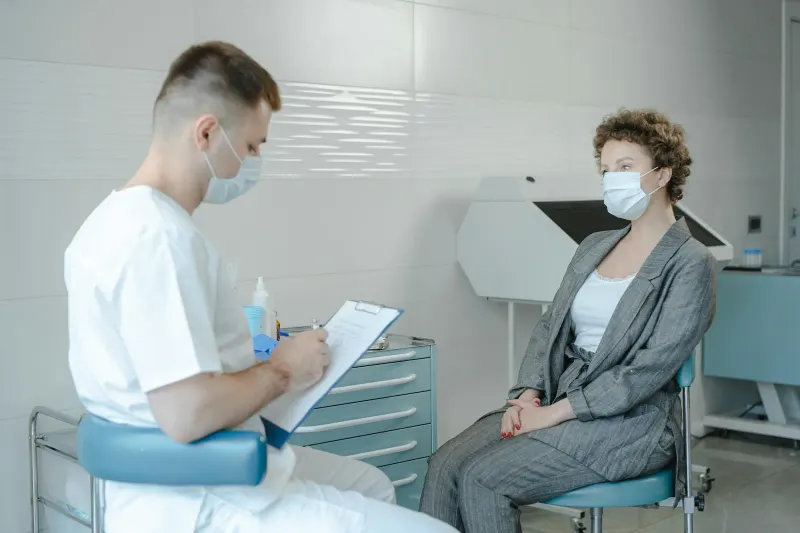
LASIK candidacy depends more on stable refraction, corneal shape and thickness, ocular surface health, pupil-related symptoms, healing risks, and realistic goals than on age alone. A person can meet the minimum age requirement and still be a poor candidate, or need a different procedure or no elective surgery. For a related symptom pattern, read Why Corneal Thickness Matters Before LASIK.
LASIK candidacy questions that matter more than age focus on eye stability, corneal shape, dry eye, prescription strength, pupil size, medical history, and expectations. Age matters, but it does not answer the main safety questions by itself.
LASIK changes the shape of the cornea, the clear front surface of the eye. A careful evaluation helps determine whether that change is reasonable for your eyes or whether glasses, contact lenses, PRK, another procedure, or no surgery may be safer.
What matters first for LASIK candidacy beyond age?
Stable vision and a complete eye exam matter more than the number on your birthday.
- Corneal thickness, corneal shape, tear film health, and prescription strength help determine risk.
- Dry eye, glare, halos, night driving trouble, and need for reading glasses can still happen after LASIK.
- The FDA advises patients to review risks, alternatives, and laser-specific patient information before deciding.
- A good LASIK discussion includes reasons not to proceed.
Why Age Alone Is a Weak Screening Tool
Many people think LASIK decisions begin and end with being old enough. In reality, candidacy depends on measurements and medical context. A younger adult with an unstable prescription may be a poor candidate, while an older adult with stable eyes may still need a careful discussion about reading vision and cataracts.
The FDA LASIK surgery checklist encourages patients to review eye conditions, dry eye, visual symptoms, pregnancy-related changes, and realistic expectations. Those questions are more useful than age alone because they connect directly to risk and satisfaction.
Presbyopia, the age-related loss of near focusing, often begins in the forties. LASIK for distance vision does not stop presbyopia, so many people still need reading glasses later.
Measurements That Shape LASIK Candidacy
A refractive surgery evaluation usually includes more than a standard glasses exam. Your doctor checks how much tissue the cornea has, whether the shape looks regular, and whether the planned correction would leave enough corneal strength.
- Prescription stability over time.
- Corneal thickness and topography, which maps the corneal shape.
- Tear film and eyelid health, since dry eye can worsen after surgery.
- Pupil size and symptoms such as glare or halos.
- Retina, optic nerve, eye pressure, and general eye health.
Contact lens wear can affect corneal measurements, so patients may need to stop lenses before testing. The timing depends on lens type and the surgeon's protocol.
Health Factors That Can Change the Plan
Some eye and medical conditions make LASIK less predictable or less safe. Examples include active dry eye, unstable prescription, certain corneal disorders, uncontrolled autoimmune disease, pregnancy-related vision changes, poorly controlled diabetes, and a history of eye infections or inflammation.
The FDA page on when LASIK may not be right discusses conditions that can affect safety and effectiveness. This does not mean every person with a health condition is excluded, but it does mean the discussion needs detail.
People who play contact sports, work in dusty settings, or depend on night driving should discuss lifestyle demands. LASIK can reduce dependence on glasses, yet it cannot guarantee perfect vision in every setting.
Risks and Tradeoffs to Discuss
LASIK has helped many people reduce their need for distance correction, but it is still surgery. The flap, corneal reshaping, healing response, and tear film all influence the result.
Ask about dry eye, glare, halos, starbursts, double images, undercorrection, overcorrection, infection, inflammation, and the chance of needing glasses or another procedure. Ask how your own measurements change those risks rather than relying on general averages.
Also ask what the plan would be if you are not a LASIK candidate. PRK, implantable lenses, specialty contact lenses, or staying with glasses may fit some eyes better.
Questions That Matter More Than Age
Has my prescription been stable long enough for surgery? The appropriate response depends on its timing, associated symptoms, and the examination findings.
- Do my corneal thickness and shape leave a reasonable safety margin?
- Do I have dry eye, blepharitis, allergy, or contact lens intolerance that needs treatment first?
- How might presbyopia or future cataracts affect my expectations?
- Which alternatives fit my eyes if LASIK is not the best option?
A careful LASIK consultation should make you feel informed, not rushed. The strongest candidacy answer comes from measurements, health history, and a frank discussion of risks, benefits, and alternatives.
Expectations Before a Procedure
A strong LASIK consultation should include what surgery can and cannot change. LASIK can reduce dependence on distance glasses or contacts for many candidates, but it cannot stop eye aging, prevent cataracts, or guarantee night vision comfort.
Ask how the surgeon would handle one-eye distance correction, sometimes called monovision, if you are near presbyopia age. Some people like this tradeoff after a contact lens trial. Others dislike the change in depth perception or near and distance balance.
Also ask about recovery rules, work timing, screen use, follow-up visits, and what symptoms require urgent contact after surgery. Pain, worsening redness, discharge, or decreased vision after any eye surgery should be treated as urgent.
How to Decide Without Pressure
Take time to read the patient information for the laser or procedure being discussed. Write down the risks that matter most to your work, hobbies, and driving. A person who drives at night for a living may weigh glare risk differently than someone who rarely drives after dark.
A careful decision also includes the option to wait. If dry eye, blepharitis, allergy, or contact lens warpage affects your measurements, treating the surface first may give a more reliable answer. If cataracts are starting, lens-based planning may make more sense than corneal laser surgery.
Why the Surface of the Eye Matters
Dry eye and eyelid inflammation can affect both comfort and measurement accuracy. If the tear film breaks up during testing, the planned laser correction may be less reliable. Treating the surface first can make candidacy answers clearer.
Tell the surgeon if your eyes burn, water, fluctuate, or feel worse with contact lenses. Also mention allergy, autoimmune disease, and prior eye infections. These details help the surgeon decide whether to delay, treat, or recommend another option.
For the next question after LASIK Candidacy Questions More Important Than Age, read Why Ectasia Risk Screening Matters Before LASIK and keep its purpose separate from the LASIK candidacy beyond age decision explained here.