
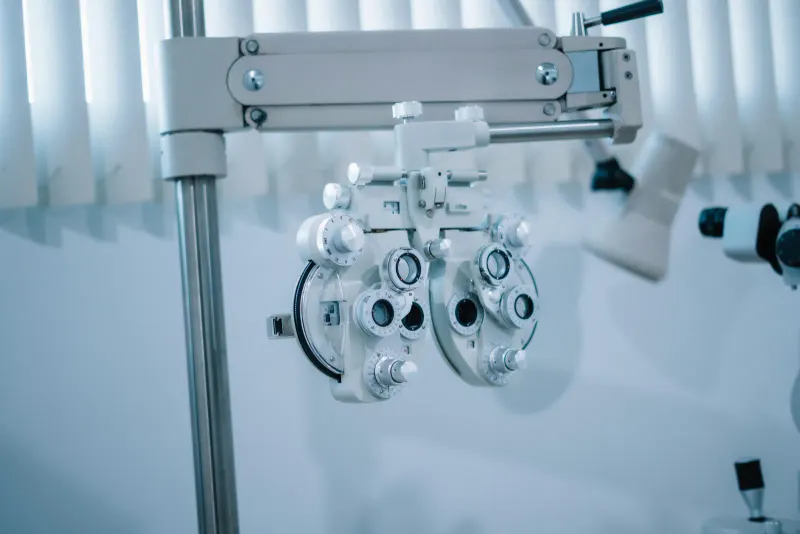
Blurry vision can come from refractive error, dry eye, cataract, migraine, corneal disease, retina or optic nerve problems, medicines, or systemic illness. Sudden blur, a missing visual field, pain, redness, flashes, floaters, double vision, severe headache, weakness, or speech trouble requires urgent assessment rather than a routine glasses check.
Common Causes of Blurry Vision and When to Seek Care can range from a simple prescription change to a condition that needs same-day attention. The most important clues are how suddenly the blur started, whether it affects one eye or both eyes, and whether it comes with pain, flashes, floaters, double vision, or other symptoms. For a related symptom pattern, read What a Comprehensive Eye Exam Checks.
Blurry vision is a symptom, not a diagnosis. An eye doctor can check the front of the eye, the focusing system, the retina, the optic nerve, and eye pressure to sort out what is most likely.
What matters first for blurry vision causes?
Gradual blur is often related to prescription changes, dry eye, cataracts, or focusing changes, but an exam is needed to confirm the cause.
- Sudden blur, one-eye blur, eye pain, flashes, many new floaters, or a curtain-like shadow needs faster care.
- Contact lens wearers should remove lenses and seek prompt care for blur with redness, pain, discharge, or light sensitivity.
- Helpful details include when blur started, what improves it, whether it changes with blinking, and whether it affects distance, near, or both.
Common Causes of Blurry Vision to Consider
Blurry vision often starts with the focusing system. Nearsightedness, farsightedness, astigmatism, and presbyopia can make vision unclear at certain distances. The National Eye Institute explains that refractive errors happen when eye shape changes how light focuses, and eye doctors can correct many refractive errors with glasses or contact lenses.
Dry eye is another frequent cause of fluctuating blur. Tears help create a smooth surface for light to pass through. When the tear film breaks up quickly, vision may clear after blinking and blur again while reading, driving, or using screens.
Cataracts can cause gradual cloudiness, glare, halos, faded colors, or trouble with night driving. Blood sugar changes, inflammation, allergies, eyelid disease, and certain medicines can also affect clarity. Because the list is broad, the pattern of symptoms matters.
When Blurry Vision Is More Concerning
Some blurry vision should not wait for a routine appointment. Sudden or severe blur may involve the retina, optic nerve, cornea, eye pressure, blood vessels, or neurologic system. Fast care can be important, especially when other warning signs appear.
- Sudden vision loss or a sudden dark area in vision
- A curtain, veil, or shadow crossing part of the visual field
- New flashes of light with many new floaters
- Severe eye pain, nausea, halos around lights, or a very red eye
- Eye injury, chemical exposure, or a foreign body sensation after trauma
- Sudden double vision or blurry vision with weakness, trouble speaking, facial droop, severe headache, dizziness, or imbalance
Contact lens wearers should be especially careful. Blur with pain, redness, discharge, or light sensitivity can point to a corneal infection or inflammation. Remove the lenses and seek prompt eye care rather than trying to wear through the symptoms.
Clues That Help Sort Out the Cause
Before an exam, it can help to write down the details. You are not expected to know the cause on your own. The goal is to give your eye doctor a clearer timeline.
- Did the blur start suddenly, gradually, or after an injury?
- Is it in one eye, both eyes, or only when both eyes are open?
- Does blinking, artificial tears, rest, or removing contacts change it?
- Is distance, near, night driving, or screen work most affected?
- Are there flashes, floaters, pain, redness, headache, nausea, or double vision?
- Have you had recent medication changes, blood sugar changes, illness, or eye surgery?
Blur that changes with blinking often points toward the tear film or eyelids, though it still deserves evaluation if it persists. Blur that is fixed in one area, appears suddenly, or comes with new floaters or flashes needs more urgent guidance.
What the Eye Doctor May Check for blurry vision causes
A blurry vision visit usually starts with visual acuity and refraction, which checks whether a lens prescription improves clarity. The doctor may also examine eye alignment, pupils, eye pressure, the cornea, the lens, the retina, and the optic nerve.
Dilation may be recommended if the symptoms could involve the retina or optic nerve. The National Eye Institute says dilation helps eye doctors check for common eye problems such as diabetic retinopathy, glaucoma, cataracts, and age-related macular degeneration. Your vision may stay light-sensitive and blurry for a few hours after dilation, so planning a ride can be useful.
Some visits also include retinal photos, optical coherence tomography, corneal topography, visual field testing, dry eye testing, or blood sugar discussion. The exact tests depend on your symptoms and exam findings.
What You Can Do While Waiting for Care for blurry vision causes
If symptoms are mild, familiar, and stable, simple steps may reduce strain while you arrange an exam. Rest your eyes during long near work, use proper lighting, avoid sleeping in contact lenses, and wear your current glasses instead of uncomfortable contacts.
If you already have glasses, compare vision with and without them one eye at a time, only if it is safe and comfortable to do so. This does not diagnose the cause, but it can help you describe whether the blur seems linked to focusing, one eye, both eyes, or a specific part of your vision.
If your blur seems connected to dry, burning, or watery eyes, note the setting. Screen use, wind, air conditioning, contact lens wear, and long periods of reading can make tear film problems more noticeable. If blur clears briefly after blinking and returns quickly, that pattern is worth mentioning because it may guide dry eye or eyelid evaluation.
If the blur appears after a new medicine, illness, migraine pattern, or blood sugar swing, add that to your notes as well. Eye doctors often use these details to decide whether the visit should focus on refraction, the cornea, the retina, the optic nerve, or coordination with your medical care team.
Do not patch an eye after injury or chemical exposure unless emergency personnel instruct you to do so. Do not rinse contact lenses with tap water or saliva. Do not use leftover prescription drops from another problem without medical guidance.
Blurry vision is common, but the safest next step depends on the pattern. Gradual blur can often be evaluated routinely. Sudden blur, painful blur, one-sided blur, or blur with neurologic symptoms deserves faster attention.
In Common Causes of Blurry Vision and When to Seek Care, if that is the unresolved part of the decision, Sudden Vision Changes That Should Not Wait explains the adjacent issue without replacing the examination described here.