
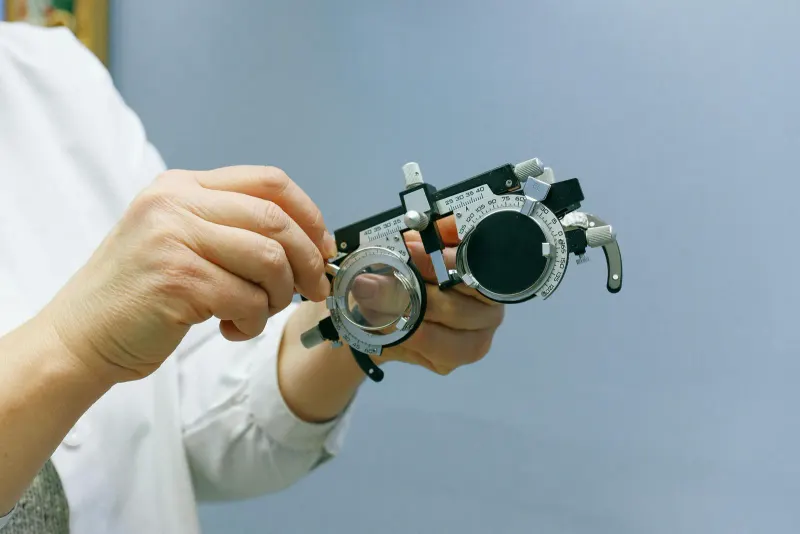
A comprehensive eye exam evaluates more than a glasses prescription. It can include history, acuity, refraction, pupils, alignment and movements, peripheral vision, eye pressure, the front of the eye, and the retina and optic nerve, with additional testing selected from symptoms, age, risk, and initial findings.
What Your Eye Doctor Checks During a Comprehensive Eye Exam goes far beyond whether you need new glasses. A full eye exam can evaluate vision, focusing, eye alignment, eye pressure, the cornea, the lens, the retina, the optic nerve, and signs of conditions that may not cause early symptoms.
The exact tests vary based on age, symptoms, medical history, contact lens wear, and risk factors. A good exam connects what you notice in daily life with what the doctor sees during testing.
What matters first for comprehensive eye exam?
A comprehensive eye exam checks vision quality, prescription needs, eye movement, eye pressure, and eye health.
- Dilation may be recommended to examine the retina, optic nerve, and blood vessels inside the eye.
- People with diabetes, high blood pressure, glaucoma risk, contact lens wear, or new symptoms may need extra testing.
- Sudden vision loss, severe pain, new flashes or floaters, trauma, or a curtain-like shadow needs urgent care instead of a routine visit.
What Your Eye Doctor Checks During a Full eye-health assessment First
The visit usually begins with your main concern and your health history. The doctor or technician may ask about blurry vision, headaches, eye strain, dry eye, floaters, flashes, double vision, medications, surgeries, family eye history, and medical conditions such as diabetes or high blood pressure.
Visual acuity testing checks how clearly each eye sees letters or symbols at distance and sometimes near. Refraction checks whether lenses improve clarity. This is the part many people think of as the glasses test, but it is only one piece of the exam.
If you wear contact lenses, the doctor may also check the lens fit, movement, surface deposits, wearing schedule, and corneal health. Contact lens prescriptions require both vision and fit information because lenses touch the eye directly.
How the Exam Checks Eye Function
Eye function testing looks at how the eyes work together and how they respond to light. These checks can help explain symptoms such as eyestrain, double vision, headaches with near work, or trouble tracking across a page.
- Pupil testing checks how each pupil reacts to light.
- Eye movement testing checks whether the eyes move smoothly and together.
- Cover testing may check alignment and how the eyes team.
- Visual field screening may check side vision when glaucoma, retina, neurologic, or optic nerve concerns are possible.
- Near focusing tests may be used when reading blur or eye fatigue is part of the concern.
These tests are not only for children. Adults can develop eye teaming, focusing, or neurologic symptoms, and sudden double vision should be evaluated promptly.
Eye Pressure and the Front of the Eye
Tonometry measures eye pressure. Eye pressure is one risk factor for glaucoma, but pressure alone does not diagnose or rule out glaucoma. The optic nerve, side vision, corneal thickness, family history, and other findings may also matter.
The doctor also examines the front structures of the eye with a microscope called a slit lamp. This can show eyelid inflammation, dry eye signs, corneal scratches, corneal scars, contact lens irritation, cataracts, inflammation inside the eye, and other findings.
If your eyes burn, water, feel gritty, or fluctuate in clarity, the doctor may look closely at the tear film and eyelids. Dry eye can overlap with allergy, blepharitis, contact lens intolerance, and inflammatory conditions, so the exam helps separate look-alike problems.
Why Dilation May Be Recommended
Dilation uses drops to widen the pupils so the doctor can see more of the inside of the eye. The National Eye Institute explains that dilation helps check for common eye problems, including diabetic retinopathy, glaucoma, cataracts, and age-related macular degeneration.
During the dilated portion, the doctor can examine the retina, macula, optic nerve, and blood vessels. This is especially important when there are floaters, flashes, diabetes, high blood pressure, high prescriptions, family history of eye disease, or unexplained vision changes.
After dilation, light sensitivity and blurry near vision can last for a few hours. Bring sunglasses if you have them and consider transportation help if you are unsure about driving after the visit.
Imaging and Extra Tests
Some comprehensive exams include imaging, and some do not. Imaging is chosen based on risk, symptoms, and exam findings. It can help document changes over time, but it does not replace the doctor's interpretation.
- Retinal photography can document the retina, optic nerve, and blood vessels.
- Optical coherence tomography can create detailed cross-section images of the retina or optic nerve.
- Corneal topography can map corneal shape for irregular astigmatism, keratoconus, or contact lens fitting.
- Visual field testing can measure side vision in more detail.
- Dry eye testing may evaluate tear volume, tear stability, or eyelid gland function.
If an extra test is recommended, ask what question it is meant to answer. That helps you understand whether the test is for screening, diagnosis, monitoring, or treatment planning.
How Risk Factors Change the Exam
A comprehensive exam is tailored to the person. Someone with diabetes may need careful retinal evaluation. Someone with a family history of glaucoma may need optic nerve imaging or visual field testing. A contact lens wearer with redness may need corneal staining and a lens care review.
The American Optometric Association notes that exam frequency depends on age and risk. At-risk patients can include people with personal or family eye disease, systemic health conditions, contact lens wear, previous eye surgery or injury, high prescriptions, visually demanding work, or medication-related eye concerns.
Your exam may also lead to a referral. An optometrist can provide primary eye care and manage many conditions. An ophthalmologist is a medical doctor and surgeon. A subspecialist may be involved for retina, glaucoma, cornea, pediatric, or neurologic eye concerns.
How to Prepare for the Visit for complete ocular examination
Preparation helps the exam answer the right questions. Bring current glasses, contact lens boxes or parameters, a medication list, medical history, and the names of eye conditions that run in your family. If your symptoms come and go, write down when they happen and what seems to trigger them.
- Bring prior eye records or imaging if you have been monitored elsewhere.
- Mention diabetes, high blood pressure, autoimmune disease, migraines, pregnancy, or recent medication changes.
- Describe any flashes, floaters, shadows, double vision, eye pain, or sudden blur clearly.
- Ask when you should return and which symptoms should prompt care sooner.
A whole-eye visit is both a vision check and a health check. When you know what is being measured and why, the results are easier to use for everyday decisions about glasses, contacts, eye comfort, and long-term eye health.
From What a Comprehensive Eye Exam Checks, the related guide When the Eye Chart Does Not Explain Vision Trouble is useful when that narrower question applies; it should not be used to infer the diagnosis covered here.