Depth perception problems can make stairs, driving, sports, pouring liquids, or reaching for objects feel harder than expected. An eye exam can help determine whether the issue comes from eye alignment, prescription, reduced vision in one eye, cataract, neurologic symptoms, or another cause.
Depth perception depends on both eyes sending clear, well aligned images to the brain. If one eye sees poorly or the eyes do not team well, judging distance can become less reliable. For a related symptom pattern, read Reaction Time Testing in Sports Vision: What It Can and Cannot Tell You.
At a Glance
- Depth perception can change when one eye has blur, cataract, amblyopia, eye turn, or retinal disease.
- Eye teaming problems can cause eyestrain, headaches, double vision, or trouble with near work.
- Sudden double vision or depth change with neurologic symptoms needs urgent care.
- The exam may include refraction, eye alignment testing, stereo testing, dilation, and neurologic screening questions.
How Depth Perception Works
The brain compares slightly different images from the two eyes to judge depth. It also uses visual clues from size, motion, shadows, overlap, and perspective. People with reduced vision in one eye may still use some depth clues, but close tasks and fast movement can become more difficult. You can compare this topic with Dynamic Visual Acuity Testing for Sports and Motion Vision.
The American Optometric Association notes that sharpness is only one part of visual ability. Depth perception adds another layer because the two eyes must provide clear and coordinated information.
Signs an Eye Exam May Help
Some depth complaints come from simple blur. Others suggest a binocular vision problem, which means the eyes are not aiming or focusing together with ease.
- You miss steps, curbs, or uneven ground.
- You close one eye to read or aim.
- You avoid night driving because distance judgment feels unreliable.
- You get headaches or eye strain during reading or computer work.
- You notice double vision, shadows, or words moving on the page.
A child may avoid catching a ball, bump into objects, cover one eye, or lose place while reading. Parents should seek an eye exam when these patterns persist or interfere with school, play, or safety.
Common Eye Causes
Uncorrected prescription differences between the eyes can reduce depth perception. Amblyopia, often called lazy eye, can limit the brain's use of one eye. Strabismus, or an eye turn, can disrupt eye teaming. Cataract, macular disease, glaucoma, or optic nerve disease can reduce one eye's contribution.
Convergence insufficiency, a common eye teaming problem for near tasks, can cause eyestrain and reading discomfort. The American Association for Pediatric Ophthalmology and Strabismus describes it as difficulty keeping the eyes working together at near.
When Depth Changes Need Prompt Care
Seek same day medical care for sudden double vision, sudden vision loss, new weakness, trouble speaking, new imbalance, severe headache, or a new droopy eyelid. Sudden eye alignment changes can involve nerves, muscles, blood vessels, or the brain.
Also seek prompt eye care after eye trauma or if depth changes come with eye pain, flashes, floaters, or a curtain in vision. Those symptoms need more than a routine glasses check.
What the Eye Doctor May Check
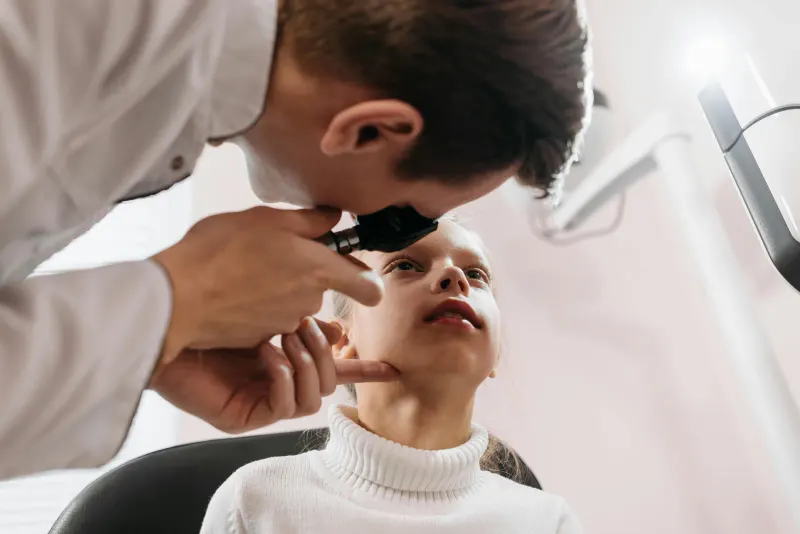
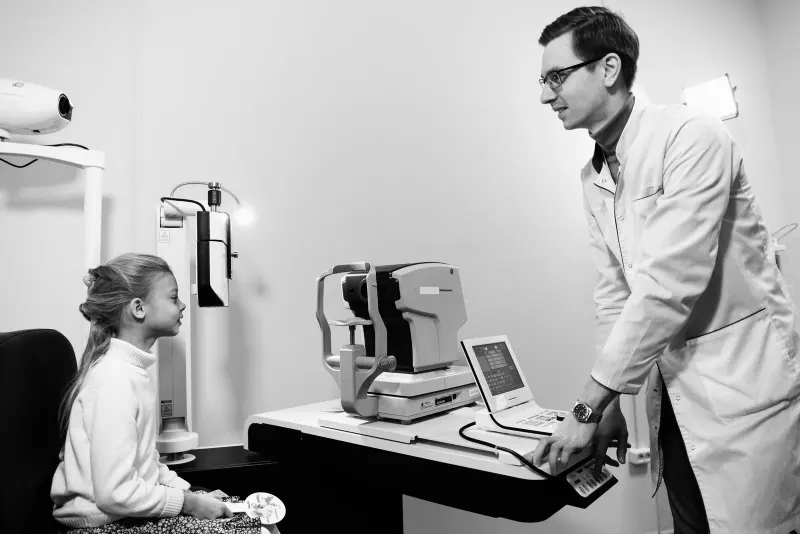
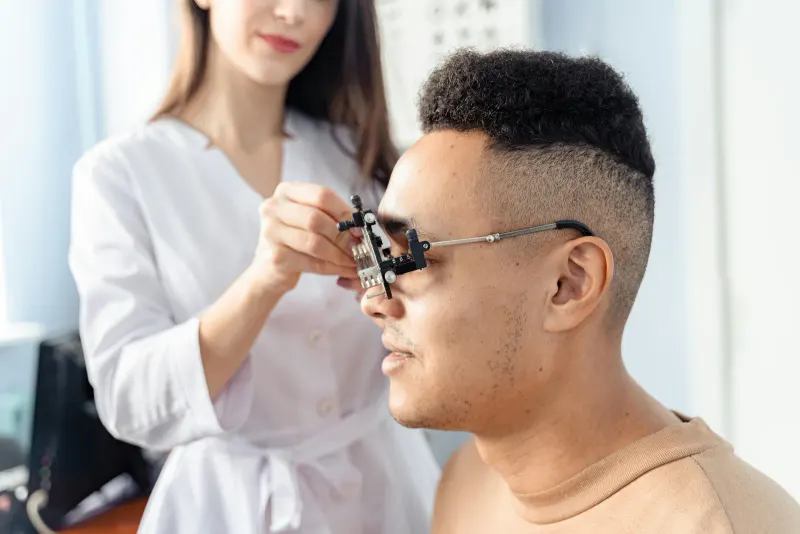
Your eye doctor may test each eye separately and together. The exam can include glasses measurement, eye alignment testing at distance and near, eye movement testing, focusing tests, stereo vision tests, eye pressure, and dilation.
The doctor may refer you to a pediatric eye specialist, neuro-ophthalmologist, retina specialist, or vision therapy provider depending on the findings. Referral does not mean something severe is present. It means a specific pattern needs deeper evaluation.
How Daily Tasks Guide the Workup
Describe where depth judgment breaks down. Trouble with stairs and curbs may point toward side vision, contrast, or one eye seeing less clearly. Trouble with reading or computer work may point more toward near eye teaming. Sports or driving symptoms may involve speed, glare, or field of view.
Old photos can help when an eye turn seems new or intermittent. Prior glasses prescriptions can show whether one eye has changed more than the other. If symptoms started after concussion, stroke, diabetes changes, or eye surgery, tell the doctor early in the visit.
Why Specialist Evaluation May Be Recommended
A specialist can help when routine testing shows a pattern that needs deeper review. A pediatric eye specialist may evaluate a child with an eye turn or amblyopia risk. A neuro-ophthalmologist may review sudden double vision, nerve palsy, or neurologic symptoms. A retina specialist may review depth changes linked with new distortion, floaters, or macular disease.
Referral should answer a specific question. Ask what finding triggered the referral and what information the specialist may add, such as eye movement measurements, retinal imaging, visual field testing, or treatment options.
Practical Steps Before the Appointment
- Bring current glasses and any older pair that worked better.
- Write down when the depth problem started and whether it changed suddenly.
- Note whether one eye, night driving, reading, or movement makes it worse.
- Tell the doctor about head injury, neurologic symptoms, diabetes, or prior eye disease.
Common Reasons Depth Perception Changes
Depth perception depends on both eyes sending clear, aligned information to the brain. Problems can appear when one eye is blurrier, the eyes do not team well, an old lazy eye limits binocular vision, or an injury changes alignment. In athletes, a depth complaint may show up as mistimed catches, trouble judging distance, hesitation on stairs, or difficulty in crowded play.
- Prescription changes can reduce clarity enough to affect distance judgment.
- Strabismus, convergence problems, or double vision can disrupt binocular depth cues.
- Concussion, head injury, or neurologic symptoms need medical triage before sports training.
- Protective eyewear can prevent many sports-related eye injuries but should fit the sport.
What To Ask At A Depth Perception Visit
Ask whether the problem is optical, binocular, neurologic, injury-related, or performance-related. That answer changes the plan. Glasses, contact lenses, binocular vision care, referral, protective eyewear, or urgent treatment may all be reasonable depending on the findings.
Frequently Asked Questions
Can glasses improve depth perception?
Glasses may help when blur, astigmatism, or unequal prescriptions reduce eye teaming. They may not fully correct depth problems from amblyopia, eye alignment, or neurologic disease.
Can adults develop new depth perception problems?
Yes. Cataract, retinal disease, stroke, nerve palsy, diabetes related eye changes, or new eye alignment problems can affect depth perception in adults.
Is poor depth perception the same as double vision?
No. Double vision means you see two images. Poor depth perception means judging distance is hard. The two can occur together, especially when the eyes do not align well.
Can depth perception change after cataract surgery?
It can, especially while one eye has been treated and the other has not, or when the two eyes have different prescriptions. Tell your surgeon if depth judgment affects driving, stairs, or balance during the surgery planning period.