Sports vision testing can help athletes learn how their eyes work during fast, moving, visually demanding tasks. It should start with eye health and accurate vision correction, then add sport-specific skills when appropriate.
Athletes often ask about reaction time, tracking, depth perception, and protective eyewear. Those topics matter, but a good exam also checks for eye disease, uncorrected prescription, binocular vision problems, and injury risk.
At a Glance
- Sports vision testing should include eye health, prescription accuracy, and visual skills.
- Depth perception, eye teaming, tracking, and contrast can affect some athletic tasks.
- Protective eyewear has stronger safety evidence than broad performance promises.
- Eye pain, vision loss, double vision, flashes, or floaters after impact needs urgent care.
- Testing should lead to practical recommendations, not vague claims.
What Sports Vision Testing Can Measure
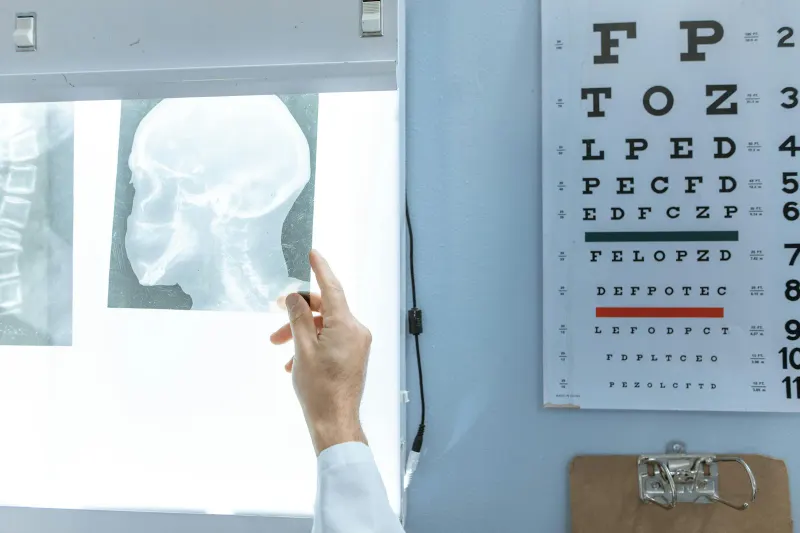
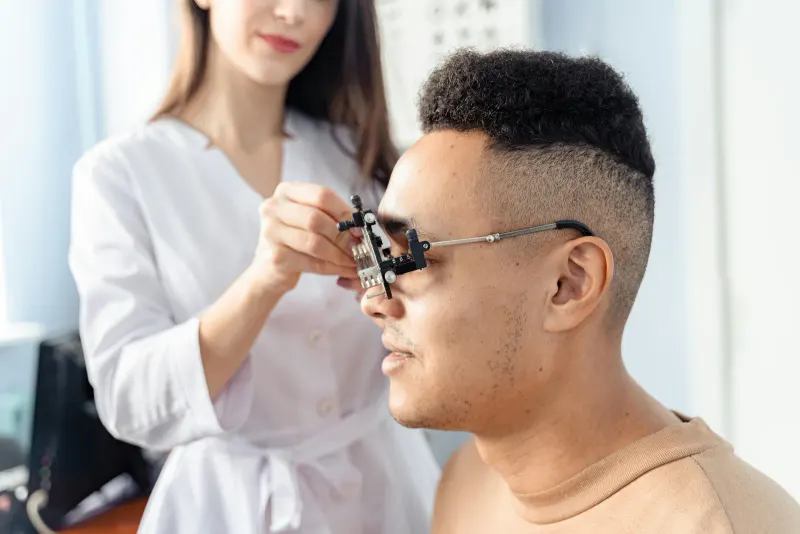
A sports vision exam may include standard visual acuity, refraction, eye alignment, eye movement control, focusing, depth perception, contrast sensitivity, peripheral awareness, and visual reaction tasks. The exact test set should match the athlete's sport and symptoms.
The American Optometric Association describes sports and performance vision as an area that addresses vision health, performance, and safety needs for athletes. That framing is useful because performance should not be separated from eye health.
A baseball player, goalkeeper, cyclist, and gymnast do not use vision in the same way. A focused exam should connect test results to real demands such as tracking a ball, judging distance, scanning a field, or moving through changing light.
Eye Health Comes First
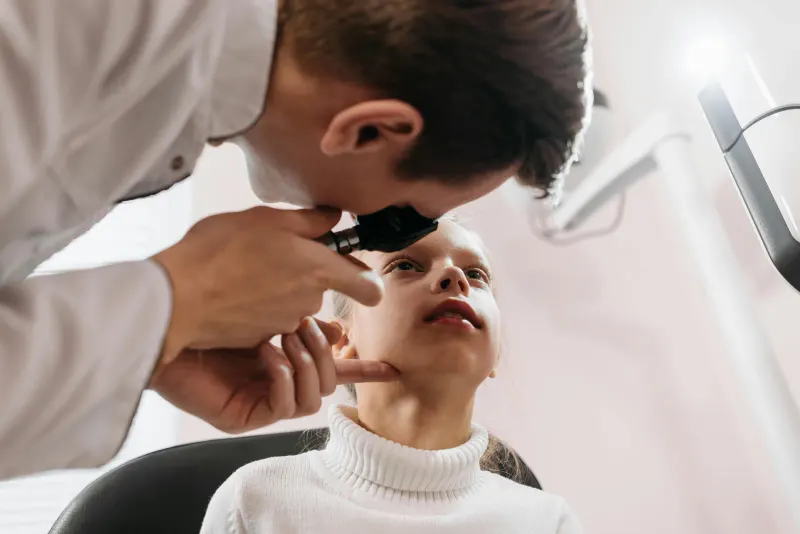
Before performance testing, the doctor should confirm that each eye sees clearly and that both eyes are healthy. Uncorrected nearsightedness, farsightedness, astigmatism, dry eye, allergy, or a poorly fitting contact lens can limit performance before higher-level visual skills enter the discussion.
Some athletes adapt to blur or eye teaming strain without realizing it. They may squint, close one eye, avoid certain drills, or feel slower under bright lights. A standard exam can uncover correctable issues.
Eye pressure, retina health, and optic nerve appearance may also matter, especially after trauma, in high myopia, or when the athlete reports flashes, floaters, or missing vision.
Skills an Athlete May Discuss
Sports vision testing may look at how the eyes aim, track, focus, and judge space. The value comes from matching findings to the athlete's complaint and sport.
- Depth perception for catching, landing, tackling, or judging distance.
- Eye tracking for following a ball, opponent, puck, or moving target.
- Peripheral awareness for field and court sports.
- Contrast sensitivity for low light, glare, or changing backgrounds.
- Eye teaming and focusing for near-to-far shifts.
Training claims should be specific and measurable. Ask what skill is being trained, how progress will be measured, and whether the plan addresses your sport's actual visual demands.
Protective Eyewear Is Part of Performance
An athlete cannot perform well through an eye injury. Sport-appropriate protective eyewear can reduce risk in racquet sports, basketball, baseball, hockey, lacrosse, paintball, and work-like training settings.
Ask about impact-resistant lens materials, frame fit, helmet compatibility, prescription options, fogging, glare control, and whether contacts or glasses fit your sport. Protective gear should stay stable during movement and should not block important side vision.
When Symptoms After Sports Need Urgent Care
Seek urgent care after eye or head impact if you notice vision loss, double vision, flashes, new floaters, a curtain-like shadow, severe pain, unequal pupils, blood in the eye, or light sensitivity. Chemical exposure and penetrating injuries also need emergency care.
Do not return to play with active double vision, missing vision, or significant eye pain. A concussion evaluation may also be needed after head impact, especially with headache, dizziness, nausea, confusion, or balance problems.
Questions to Ask During the Exam
- Is my prescription fully corrected for my sport?
- Do my eyes team and track well for the tasks I perform?
- Would protective eyewear reduce my injury risk?
- Are contact lenses, glasses, or sport goggles safer for my position?
- How will we measure whether training or equipment changes help?
Practical Takeaways for Athletes
Bring your current glasses, contact lenses, helmets, goggles, and details about your sport. Describe the exact moments when vision feels weak, such as night games, fast serves, headers, screen glare, or reading plays from the sideline.
Sports vision testing is most useful when it ends in clear next steps. Those steps may include updated correction, dry eye care, binocular vision testing, protective eyewear, contact lens changes, or a measured training plan.
Common Patient Questions
Does sports vision testing guarantee better performance?
No. Testing can identify visual barriers and guide training or equipment choices, but athletic performance depends on many physical, technical, and coaching factors.
Can children have sports vision testing?
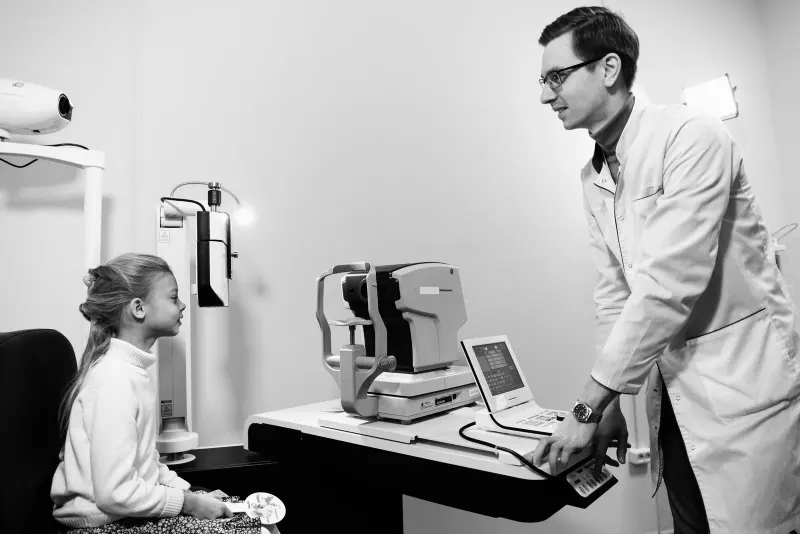
Yes, when the testing fits the child's age and sport. The exam should still check eye health, prescription, alignment, and safety first.
Is protective eyewear only for athletes with glasses?
No. Athletes with clear vision may still need impact protection, especially in sports with balls, sticks, elbows, or projectiles.
When Testing Points to Medical Care
Sports vision complaints are not always training problems. Headaches, closing one eye, losing place while reading plays, or seeing double can point to binocular vision dysfunction. Blurry vision that changes during a game can come from dry eye, contact lens movement, or allergy.
If an athlete has repeated eye injuries, orbital pain, new floaters, or symptoms after concussion, the priority shifts from performance to diagnosis. The exam should identify when a retina, cornea, neurologic, or emergency evaluation is needed.
How to Judge a Training Plan
A reasonable plan should name the skill being trained and the way progress will be checked. Vague promises about better athletic ability are less useful than goals such as improving comfort during near-to-far focus changes or measuring depth perception with repeat testing.
Ask how long the plan should take, how home practice fits, and what would count as no response. A plan should also explain what happens if symptoms point to a medical problem instead of a trainable visual skill.
What Sports Vision Testing Adds
A routine eye exam asks whether each eye can see clearly and whether the eyes are healthy. Sports vision testing adds the demands of play: tracking a moving target, judging depth, switching focus, using peripheral awareness, and keeping visual decisions accurate under speed. The best tests are chosen for the athlete's sport instead of using the same checklist for everyone.
- Ball sports may emphasize tracking, depth perception, contrast, and protective eyewear.
- Precision sports may emphasize stable focus, alignment, glare control, and repeatability.
- Contact sports should include injury history and eye protection planning.
- Concussion symptoms, new double vision, or pain should shift the visit toward medical evaluation.
How To Avoid Overpromising Training Results
Training can be helpful when it targets a clear skill gap, but it should not be sold as a cure for every performance problem. Ask what baseline finding is being treated, how progress will be measured, and whether glasses, contacts, dry eye care, binocular vision treatment, or protective equipment should come first.