
Ptosis vs aging eyelids can be confusing because both can make the upper eyelids look heavy. Ptosis means the eyelid itself sits lower than expected, while aging eyelid changes often involve extra skin or brow position pushing tissue downward. For a related symptom pattern, read Droopy Eyelids: Functional Vision Problem or Cosmetic Concern?.
The difference matters because the causes, tests, and treatment options are not the same. A careful eyelid exam can show whether the eyelid muscle is weak, the skin is redundant, the brow has dropped, or a neurologic warning sign is present. You can compare this topic with Tearing or Reflex Watery Eyes: Tests That Help Tell the Difference.
At a Glance
- Ptosis is a true droop of the upper eyelid margin, not just extra skin.
- Aging eyelid changes may include loose skin, brow descent, or fullness around the eyelids.
- Doctors compare eyelid height, pupil position, eye movements, old photos, and visual field impact.
- Sudden eyelid drooping with double vision, unequal pupils, weakness, or severe headache needs urgent care.
How Doctors Tell Ptosis From Aging Eyelids
In true ptosis, the edge of the upper eyelid can cover more of the pupil than it should. The eyelid lifting muscle, its tendon, or the nerve signals to that muscle may not be working normally. For another care decision in this area, see Orbital Tumor Red Flags Around the Eye.
The American Optometric Association describes ptosis as a drooping or falling of the upper eyelid. It may be present from childhood or appear later in life from aging, eye surgery, injury, or medical conditions.
Aging eyelid changes often look different on exam. Extra skin can fold over the lashes while the eyelid margin itself remains at a normal height. The brow may also sit lower and add weight to the upper lid area.
Doctors may gently lift the extra skin or brow during the exam to see what is actually drooping. This helps separate ptosis from dermatochalasis, which is the medical term for excess eyelid skin.
Measurements That Make The Diagnosis More Reliable
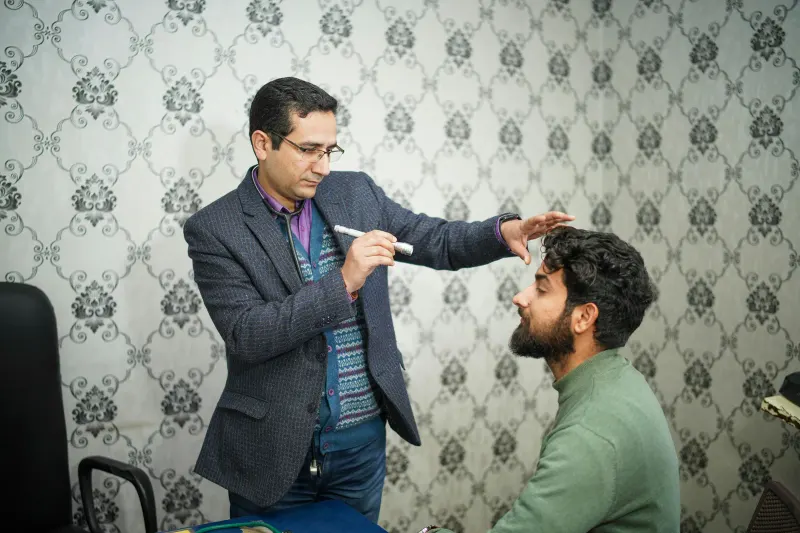
An eyelid exam is more than a quick look. The doctor usually measures the eyelid height in relation to the pupil and checks how far the lid moves when you look up and down.
- Eyelid margin position shows how much of the pupil is covered.
- Levator function estimates how well the main lifting muscle works.
- Brow position shows whether forehead muscles are compensating for heavy lids.
- Pupil size helps screen for nerve-related causes when one pupil differs from the other.
- Eye movement helps identify double vision or patterns that need neurologic review.
Old photographs can be very useful. A long-standing eyelid shape is usually approached differently from a new droop that appeared over days or weeks.
Symptoms That Need Prompt Medical Attention
Many eyelid changes are gradual, but sudden ptosis can sometimes signal a nerve, muscle, or brain-related problem. Seek urgent medical care if a new droopy eyelid comes with double vision, a new severe headache, unequal pupils, facial weakness, trouble speaking, trouble swallowing, or new arm or leg weakness.
Same-day eye care is also important after eye trauma, recent eye surgery with worsening symptoms, severe eye pain, or sudden vision loss. These symptoms should not be explained away as normal aging.
What Treatment Decisions Depend On
Treatment depends on the cause and how much the eyelid affects vision, comfort, and eye surface protection. Some people need monitoring, some need evaluation for an underlying medical condition, and some may discuss eyelid repair if the droop blocks vision.
Children with ptosis need special attention because a drooping lid can interfere with visual development if it blocks the visual axis or causes significant astigmatism. Parents should seek pediatric eye care if a child has a droopy lid, chin-up posture, eye misalignment, or unequal vision behavior.
Adults may need visual field testing to document whether the eyelid blocks the upper field of vision. The exam also looks for dry eye, poor lid closure, and other factors that can affect comfort after any eyelid procedure.
Questions That Help Clarify The Cause
- Did the eyelid change suddenly or gradually?
- Is one side worse, or are both eyelids similar?
- Does the droop change during the day or with fatigue?
- Are there symptoms such as double vision, headache, weakness, or pupil changes?
- Do old photos show the same eyelid position?
A careful diagnosis helps avoid treating extra skin when the real issue is eyelid muscle weakness, or missing a medical problem when the change is new. The safest plan starts with identifying which structure is actually causing the heavy-lid appearance.
Common Questions About Ptosis And Aging Eyelids
Can extra eyelid skin and ptosis happen together?
Yes. A person can have true ptosis and extra eyelid skin at the same time. That is why the exam separates the eyelid margin, skin fold, brow position, and muscle function. Treating only the skin may not solve a true eyelid lifting problem.
Why do doctors look at the pupils?
Pupil size can help screen for nerve-related causes of a new eyelid droop. A smaller or larger pupil on the drooping side may change the level of urgency, especially when there is double vision, pain, or a new headache. This is one reason sudden ptosis should be checked quickly.
Can ptosis affect vision even if the eye itself is healthy?
Yes. A low eyelid can block the upper field of vision, force a chin-up posture, or make reading tiring. In children, a drooping lid can interfere with visual development if it covers the pupil or changes the shape of the cornea enough to blur vision.
What should I track before the appointment?
Note when the droop began, whether it changes with fatigue, and whether one side is worse. Bring older photos because they help show whether the eyelid position is long-standing or new. Mention double vision, swallowing trouble, weakness, headache, or recent eye surgery.