There is no single routine eye-exam interval that fits everyone. Age, symptoms, glasses or contact lens use, diabetes, family history, high myopia, medicines, prior findings, and clinician guidance determine timing, while sudden symptoms should bypass the routine schedule and be triaged promptly. For a related symptom pattern, read Getting Ready to Discuss Daily Disposable Contact Lenses.
Routine Eye Exam Schedule by Age and Risk Level depends on more than whether you see clearly. Age, family history, medical conditions, contact lens wear, eye surgery, medications, and new symptoms can all change how often a comprehensive eye exam makes sense.
A routine eye exam can update glasses or contacts, but it can also check for eye disease that may not cause early symptoms. The right schedule should balance prevention, risk, and any changes you notice between visits.
What matters first for routine eye exam schedule?
Low-risk adults often follow a routine schedule, while higher-risk adults may need exams more often.
- Children need eye care at key developmental stages, especially before and during school years.
- Diabetes, high blood pressure, glaucoma risk, contact lens wear, eye injury, and family history can shorten the interval.
- Sudden vision loss, eye pain, new flashes or floaters, or a curtain-like shadow should not wait for a routine exam.
Routine Eye Exam Schedule by Age and Risk Level in Practice
A routine schedule is a starting point, not a substitute for individual judgment. The American Optometric Association lists exam frequency by age and risk level, with more frequent care for people who have eye or health risks. The National Eye Institute also notes that dilated exams are important because some eye diseases can be present before symptoms appear.
Your eye doctor may recommend a shorter interval if an exam finds elevated eye pressure, retinal changes, cataract progression, corneal disease, dry eye inflammation, or a prescription that is changing quickly. The schedule can also change after eye surgery or when a medication has possible eye side effects.
Children, Teens, and School Years
Children may not know how to describe blurry vision, double vision, or eye strain. Some children assume everyone sees the way they do. That is why pediatric eye care depends on both scheduled checks and attention to behavior.
The AOA recommends eye exams at key childhood stages, including infancy, preschool years, and school years. School vision screenings can be useful, but they are not the same as a comprehensive eye exam. A screening may miss eye teaming problems, focusing issues, eye health concerns, or one-eye vision problems.
- Infants and toddlers may need an exam earlier if there is an eye turn, cloudy pupil, unusual light sensitivity, tearing, family history, prematurity, or developmental concern.
- Preschool children should be checked if they squint, close one eye, bump into objects, hold books very close, or avoid near tasks.
- School-age children may need evaluation for headaches with reading, losing place on the page, frequent blinking, or a sudden drop in school performance.
- Teens who wear contacts, play high-risk sports, or have changing prescriptions may need closer follow-up.
Adults With Lower Apparent Risk
Adults with no symptoms and no known risk factors may be able to follow a routine exam interval. The AOA lists at least every two years for adults 18 to 39 and 40 to 64 who are asymptomatic and low risk, and annually for adults 65 and older. Your eye doctor may adjust this based on findings.
Even when vision feels stable, an exam can uncover issues that do not cause early warning signs. Eye pressure, optic nerve appearance, retinal findings, cataracts, dry eye, and changes in focusing can all be evaluated during a comprehensive visit.
Adults who use computers all day may not need exams more often only because of screen use, but symptoms matter. Fluctuating blur, burning, tearing, headaches, or trouble shifting focus from near to far can be good reasons to schedule care instead of waiting for the next planned visit.
Risk Factors That Change the Schedule
Risk level is where many schedules become personal. Some people need yearly exams or closer monitoring because their eyes or overall health make vision problems more likely or harder to notice early.
- Diabetes or high blood pressure
- Personal or family history of glaucoma, macular degeneration, retinal disease, or corneal disease
- Contact lens wear, especially with dryness, redness, or overwear
- Previous eye injury, eye surgery, or high prescription
- Use of medicines that can affect the eyes
- Occupations or hobbies with eye injury risk or heavy visual demands
The National Eye Institute guidance updated in 2025 says people over age 60, African American people over age 40, and people with a family history of glaucoma should have a dilated eye exam every 1 to 2 years. It also says most people with diabetes or high blood pressure need a dilated eye exam at least once a year.
When Symptoms Override the Calendar
New symptoms can matter more than your planned exam date. A routine schedule is for stable eyes. Sudden or severe symptoms need faster attention because they may point to retina, cornea, optic nerve, pressure, or neurologic problems.
Seek same-day or emergency care for sudden vision loss, a curtain or shadow in vision, new flashes with many new floaters, severe eye pain, chemical exposure, eye trauma, sudden double vision, or vision changes with weakness, trouble speaking, severe headache, or imbalance. Contact lens wearers should also act promptly for pain, redness, discharge, or light sensitivity.
What a Comprehensive Exam May Include
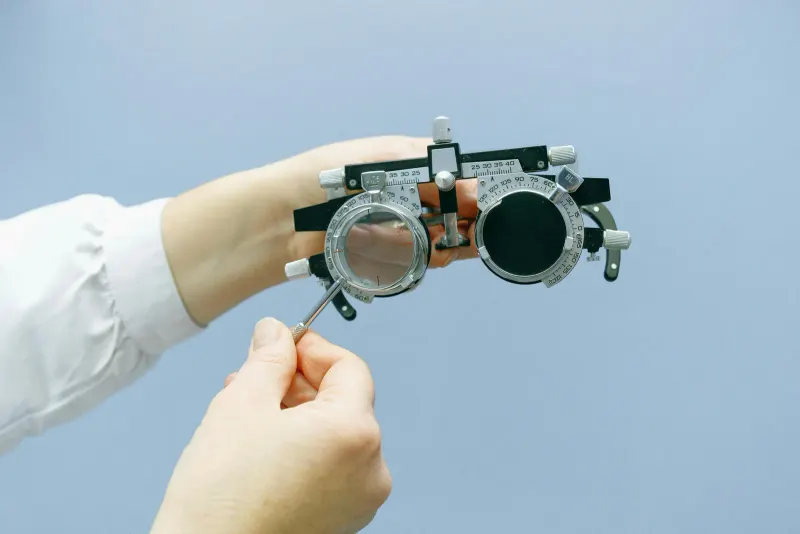
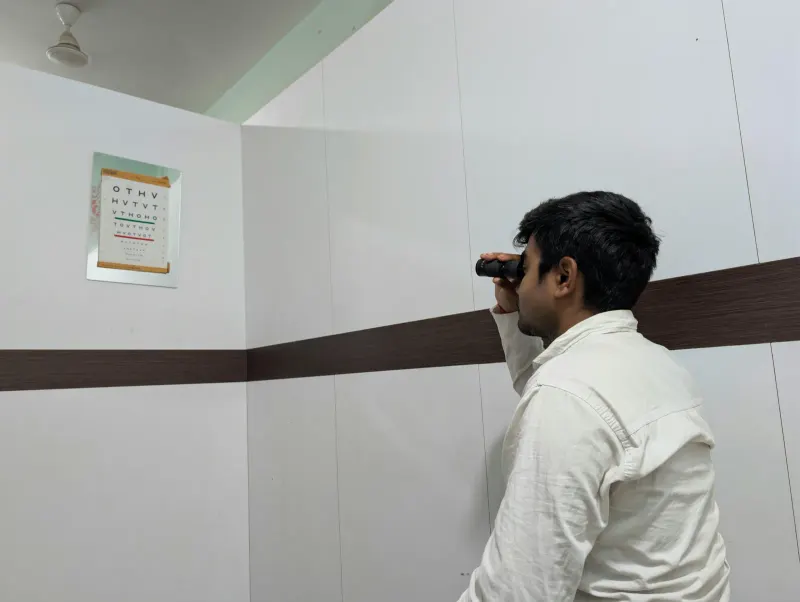
A comprehensive exam is more than reading letters on a chart. The NEI describes dilated eye exams as including visual acuity, side vision checks, eye muscle function, pupil response, eye pressure measurement, and dilation when needed to examine the inside of the eye.
Bring your glasses, contact lens information, medication list, family eye history, and notes about symptoms. If you have diabetes, high blood pressure, autoimmune disease, migraines, or previous eye surgery, mention it even if the visit feels routine.
The most useful schedule is the one that fits your actual risk. Ask what interval is recommended for you, which findings are being monitored, and which symptoms should prompt care before the next routine visit.
Readers leaving Routine Eye Exam Timing by Age and Risk can continue with When Preschool Children Should Have Vision Screening, which addresses a distinct step rather than repeating this page.