A 2026 analysis of three small randomized trials found no short-term eye-pressure increase in the adults who received the studied skin or oral corticosteroid regimens. That result is reassuring within its limits. It does not establish the safety of steroid eye drops, longer exposure, repeated courses, children, people with glaucoma, or known steroid responders. Nobody should stop or extend a prescribed steroid from this headline alone. For a related symptom pattern, read What DOT Lens Studies Mean for Myopia Control.
The safest message is balanced. Do not borrow steroid drops, restart an old bottle, or use them longer than prescribed. Also do not stop a prescribed steroid suddenly without guidance, especially after eye surgery or significant inflammation. The goal is to control the condition being treated while checking pressure when the situation calls for it. You can compare this topic with What MCO-010 Data Can and Cannot Tell People With Retinitis Pigmentosa.
What Did the Short-Term Study Actually Test?
The pooled report included 84 adults from three trials conducted in Denmark. One trial studied periocular hydrocortisone creams for four weeks, another studied whole-body topical treatment over several weeks, and the third studied a short oral prednisolone course. Eye pressure was the primary outcome in one trial and a predefined secondary outcome in the other two. No increase was detected across the studied groups during those short observation periods. For another care decision in this area, see What the New Progressive Lens Study Really Shows.
The finding should not be translated into "steroids cannot raise pressure." The sample was small, the regimens were specific, and the study did not evaluate ophthalmic drops placed directly on the eye. It was not designed to rule out uncommon responses in high-risk patients or effects that appear with longer or repeated exposure. The useful conclusion is narrower: short non-ophthalmic exposure did not raise measured pressure in these particular adult trial groups.
Short Steroid Use and Eye Pressure
Eye pressure is the pressure of fluid inside the eye. The optic nerve, which carries visual information to the brain, can be damaged when pressure is too high for that person's eye. The National Eye Institute notes that glaucoma can develop slowly and may have no early symptoms. This is why pressure is measured during many eye visits.
Steroids can affect the eye's drainage system, especially the trabecular meshwork, where fluid leaves the eye. In a steroid responder, that drainage slows enough for pressure to rise. Clinical guidance on steroid-induced glaucoma describes it as a recognized secondary form of glaucoma when a steroid-related pressure rise damages the optic nerve.
The key word is responder. Many people use a short steroid course with no meaningful pressure change. Others can have a rise that needs the treatment plan adjusted. The patient usually cannot feel the difference early, so the plan should be guided by exam findings rather than guesswork.
Why Short Use Is Different
Risk usually grows when steroid exposure is stronger, repeated, or long. Drops placed directly in the eye are more likely to affect eye pressure than a brief steroid used elsewhere in the body, but any steroid history can be relevant for a person with glaucoma risk. Inflammation itself can also affect pressure, so the answer is not as simple as steroid bad or steroid good.
A short course may be the safest way to calm inflammation that could otherwise scar tissue, delay healing, or cause pain. The safer conversation is about monitoring. An eye doctor may choose a different steroid, shorten the plan, schedule a pressure check, or use a nonsteroid option when it fits the diagnosis. Those choices depend on the exam.
Who Needs Extra Caution
Risk deserves individualized monitoring when a person has glaucoma, prior steroid response, repeated exposure, or another relevant history.
- Anyone with glaucoma or glaucoma suspect status
- Anyone who has been told their eye pressure is high
- People who had a pressure spike with steroid drops before
- People with a strong family history of glaucoma
- People using steroids repeatedly for allergy, inflammation, autoimmune disease, or after surgery
- Children using steroid drops, since they may not describe symptoms clearly
Tell the eye doctor about all steroid forms you use, including eye drops, pills, injections, inhalers, nasal sprays, and skin creams near the eyelids. This does not mean every form will raise pressure, but it gives the clinician the full picture.
The glaucoma topic library explains why pressure must be interpreted with the optic nerve and visual field. A normal reading before treatment does not predict every future response, and a high reading during inflammation does not identify the cause by itself.
What Monitoring May Look Like
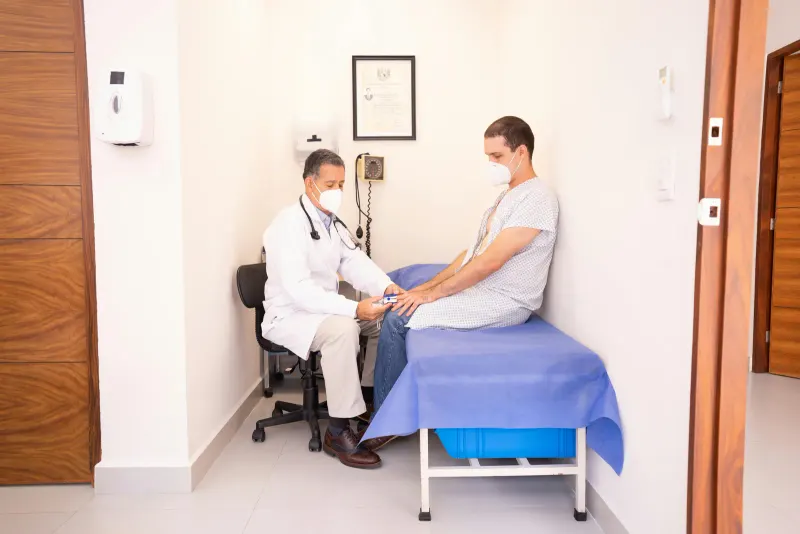
A pressure check is quick. The eye may be numbed with a drop, then the pressure is measured with an instrument that gently touches or reads the eye. If the pressure is higher than expected, the eye doctor may examine the optic nerve, compare past pressures, review the steroid plan, or arrange follow-up testing.
If the steroid was prescribed after surgery or for active inflammation, changing it without guidance can create a different risk. Patients sometimes become frightened and stop a drop too early, only to have inflammation return. A better step is to call the prescribing eye care office, explain the concern, and ask whether a pressure check or plan change is needed.
When Symptoms Need Urgent Care
Most steroid-related pressure increases are found at follow-up visits, but certain symptoms should not wait. Seek urgent eye care for severe eye pain, sudden blurred vision, rainbow halos around lights, nausea with eye pain, a red painful eye, or sudden loss of vision. These symptoms can point to pressure problems or other serious eye conditions.
Also seek prompt care if an eye becomes more painful after starting any drop, if light sensitivity is strong, or if there is thick discharge. Infection, inflammation, allergy, and pressure problems can overlap from the patient's point of view. An exam is the way to sort them out.
Questions to Ask Before Using a Steroid Drop
These questions clarify why the drop is prescribed, how long it is needed, and whether pressure monitoring belongs in the plan.
1. What condition is this steroid treating? 1. How long is this course expected to last? 1. Do I need an eye pressure check during or after it? 1. Does my glaucoma history or family history change the plan? 1. What symptoms should make me call sooner?
A calmer conversation keeps both truths in view. Steroids can be important eye medicines, and pressure monitoring can protect the optic nerve when risk is present. Fear should not replace medical judgment, and comfort should not replace follow-through.