Aqueous-deficient dry eye means the eyes are not making enough watery tears to keep the surface comfortable and clear. It is one form of dry eye disease, and it can overlap with eyelid oil gland problems, allergies, contact lens irritation, autoimmune disease, and medication side effects.
The goal of testing is not simply to label the eyes as dry. A careful exam helps your eye doctor understand whether low tear volume is the main problem, how much surface irritation is present, and which treatment options are reasonable for your situation.
At a Glance
- Aqueous-deficient dry eye is linked to low tear production, not only tear evaporation.
- Symptoms can include burning, gritty eyes, watery reflex tearing, fluctuating vision, redness, and contact lens intolerance.
- Testing may include a slit lamp exam, tear volume checks, staining, eyelid evaluation, and review of health conditions or medicines.
- Treatment often combines habits, tear support, inflammation control, and follow-up rather than one quick fix.
Aqueous-Deficient Dry Eye Signs
Aqueous-deficient dry eye can feel different from person to person. Some people mainly notice dryness and scratchiness. Others have watery eyes because irritation triggers reflex tearing, even though the baseline tear layer is not healthy.
The National Eye Institute explains that dry eye can happen when the eyes do not make enough tears or when tears do not work correctly. In aqueous deficiency, the low tear amount is an important part of the picture, but it may not be the only cause of symptoms.
Common patterns include symptoms that worsen during reading, screen use, driving, windy weather, air conditioning, or long periods without blinking. Vision may clear briefly after blinking or using lubricating drops, then blur again as the tear film breaks up.
- Burning, stinging, or a gritty feeling
- Dryness that gets worse later in the day
- Watery eyes after wind, smoke, or screen use
- Redness or tired eyes
- Blur that changes with blinking
- Difficulty wearing contact lenses comfortably
Testing That Helps Confirm the Pattern
Dry eye testing starts with your history. Your eye doctor may ask when symptoms started, whether they affect one eye or both, what makes them better or worse, and whether you have dry mouth, joint pain, thyroid disease, skin conditions, allergies, or autoimmune disease.
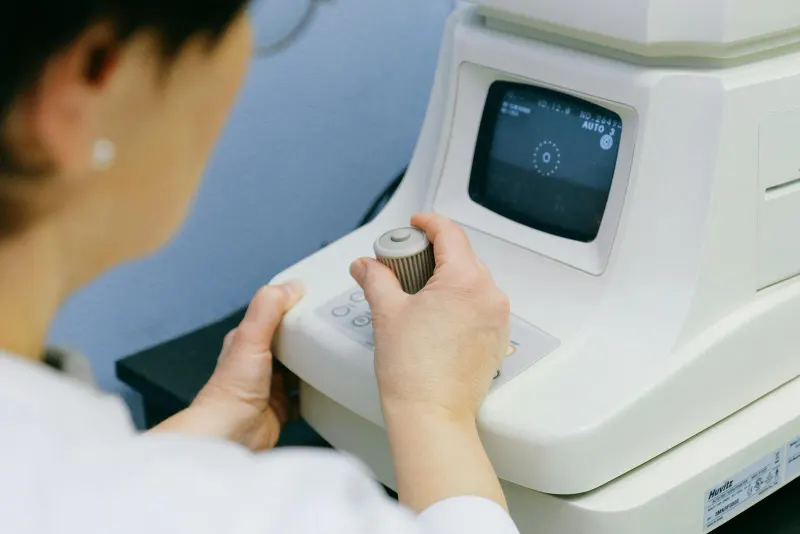
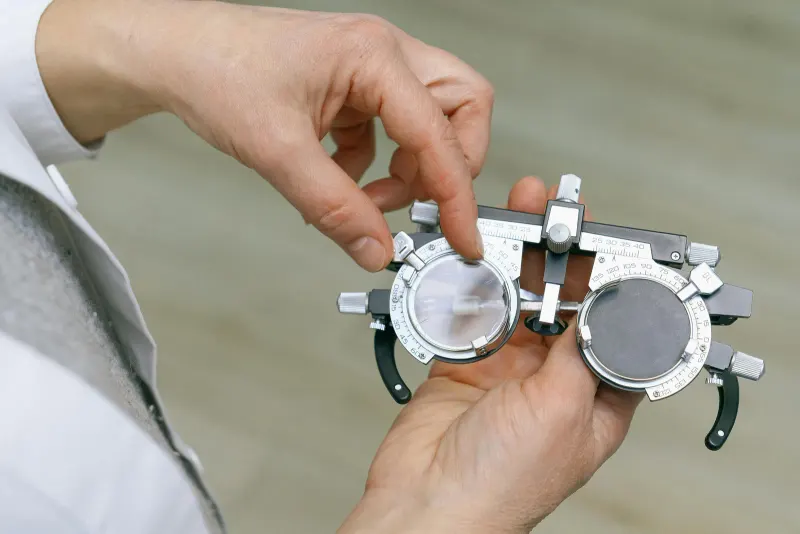
A slit lamp exam lets the doctor look at the eyelids, lashes, tear layer, conjunctiva, and cornea. Staining drops can show whether dry spots or irritated areas are present on the eye surface. Tear breakup time can show how quickly the tear layer becomes unstable after a blink.
Schirmer testing or similar tear volume checks may be used when low tear production is suspected. During a Schirmer test, a small paper strip measures tear wetting over a short period. The result is interpreted with the rest of the exam because symptoms, staining, lid health, and tear quality all matter.
Your doctor may also check the meibomian glands, which make the oily layer of tears. This matters because evaporative dry eye and aqueous-deficient dry eye often occur together. Treating only one part may leave symptoms partly improved but still frustrating.
Treatment Options Your Eye Doctor May Discuss
Treatment depends on severity, cause, and how the eye surface looks. Mild cases may improve with environmental changes, more frequent blinking, and lubricating drops. More persistent cases may need prescription anti-inflammatory therapy, tear conservation, eyelid treatment, or evaluation for related health conditions.
The American Optometric Association guidance describes dry eye care as a process that considers tear quality, tear quantity, ocular surface health, and related conditions. That is why the plan may change after follow-up testing.
- Lubricating eye drops or gels selected for symptom pattern and sensitivity
- Warm compresses or lid hygiene when eyelid oil glands are involved
- Changes to screen habits, airflow, humidity, and contact lens wear
- Prescription drops when inflammation is a significant factor
- Punctal plugs when tear drainage is too fast for the amount of tears made
- Review of medicines or medical conditions that may contribute to dryness
Do not start or stop a medicine because of dry eye symptoms without medical guidance. Instead, bring a current medication list to the visit so the eye doctor can identify possible contributors and coordinate with the clinician who manages those medicines when needed.
When Symptoms Need Prompt Care
Dry eye can be chronic, but some symptoms should not be treated as routine dryness. Seek prompt eye care if symptoms are sudden, one-sided, painful, linked with light sensitivity, or paired with discharge or reduced vision.
Contact lens wearers should be especially careful. Pain, redness, light sensitivity, or discharge while wearing contacts can signal an infection or corneal problem that needs faster evaluation.
- Sudden vision loss or a new dark curtain in vision
- Severe eye pain or marked light sensitivity
- New redness with discharge
- A scratch, foreign body, or chemical exposure
- Contact lens discomfort that does not improve after lens removal
Questions to Ask at Your Dry Eye Visit
Good questions help connect the test results to daily life. Ask whether your dry eye looks mainly aqueous deficient, evaporative, inflammatory, or mixed. Ask what finding on the exam is driving the treatment plan.
It is also reasonable to ask how progress will be measured. Some patients track comfort, reading time, contact lens wear time, staining, tear volume, or drop frequency. Improvement can be gradual, so a clear follow-up plan keeps the process from becoming guesswork.
Can aqueous-deficient dry eye be related to Sjogren disease
Yes, it can. Sjogren disease and other autoimmune conditions can reduce tear production. Dry mouth, joint symptoms, fatigue, or a known autoimmune history are worth mentioning during the exam.
Do artificial tears fix aqueous-deficient dry eye
They may help comfort and protect the surface, but they may not address inflammation, eyelid disease, tear drainage, or a medical condition that is lowering tear production. Persistent symptoms deserve a structured exam and follow-up plan.