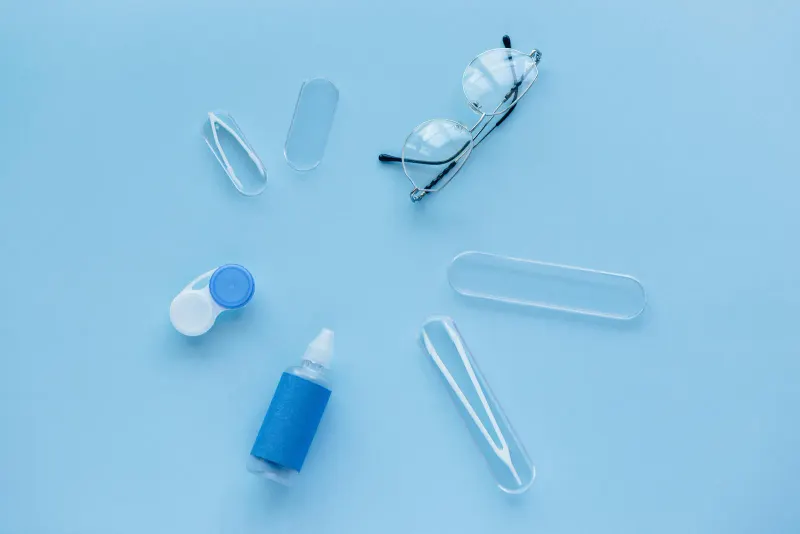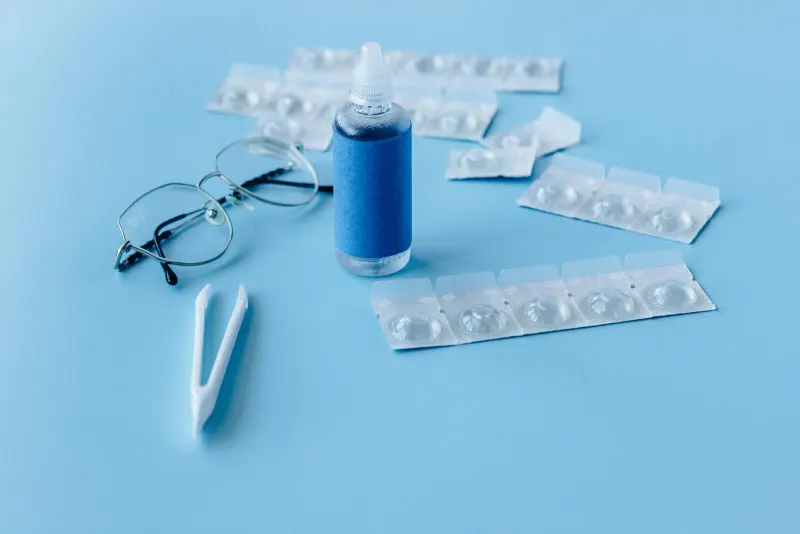
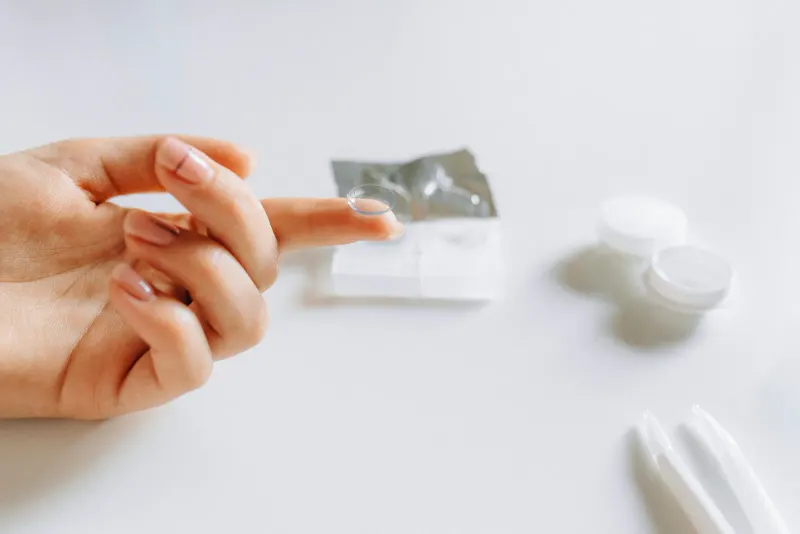
Contact lenses can be a good fit when your eyes are healthy enough, your prescription can be corrected with available lens designs, and you can follow safe cleaning and wear habits. Candidacy depends on the eye surface, eyelids, tear film, corneal shape, lifestyle, and comfort with lens care.
A contact lens exam is different from a glasses exam. Your eye doctor checks how the lens sits on the eye and how your eye responds during wear.
At a Glance
- Contact lens candidacy depends on eye health, prescription, tear film, corneal shape, and safe handling.
- Dry eye, allergies, eyelid disease, irregular corneas, or frequent infections may require special planning.
- Water exposure and poor hygiene increase infection risk, so lens care habits matter.
- Remove lenses and seek prompt care for pain, redness, light sensitivity, discharge, or reduced vision.
What Doctors Check Before Fitting Contacts
Your eye doctor measures your prescription and evaluates the cornea, conjunctiva, lids, lashes, tear film, and eye surface. The doctor may also check corneal curvature and discuss work, sports, screen use, allergies, and prior lens experience.
Some people do well with soft spherical lenses. Others need toric lenses for astigmatism, multifocal lenses for near vision, or specialty lenses for keratoconus, corneal scars, high prescriptions, or severe dryness. The fit must support clear vision and eye health.
Habits That Make Contact Lens Wear Safer
The CDC emphasizes healthy contact lens habits to lower infection risk. Clean hands, proper storage, fresh solution, and following the replacement schedule all matter.
- Wash and dry hands before handling lenses.
- Use the care system recommended for your lens type.
- Replace the case as directed and keep it clean and dry between uses.
- Do not sleep in lenses unless your eye doctor specifically prescribed that schedule.
- Keep backup glasses available for sick days, travel, and irritated eyes.
Water and Contact Lenses Do Not Mix
The CDC advises keeping water away from contact lenses. Water can carry germs that attach to lenses and raise infection risk.
Remove lenses before swimming or showering. Do not rinse lenses or cases with tap water. If water exposure happens, follow your eye care professional's instructions and watch for pain, redness, light sensitivity, or blur.
When Contacts May Be Harder to Wear
Dry eye can make lenses feel gritty or blur after a few hours. Allergies can cause itching and deposits. Blepharitis can irritate the lid margins. Irregular corneas may require specialty designs rather than standard soft lenses.
Contact lenses may still be possible, but the plan may need surface treatment, a different material, shorter wear time, daily disposable lenses, toric lenses, multifocal lenses, rigid lenses, hybrid lenses, or scleral lenses. Your doctor can explain the tradeoffs.
Red Flags for Contact Lens Wearers
Remove lenses and seek prompt eye care for pain, redness, light sensitivity, discharge, reduced vision, or a white spot on the cornea. Do not put the lens back in to see if symptoms improve.
- Bring the lenses, case, and solutions to the visit.
- Tell the doctor about sleeping in lenses or water exposure.
- Stop lens wear until a clinician says it is safe to resume.
- Use glasses while the eye heals or while the fit is being changed.
Questions to Ask at a Fitting
Ask how many hours you can safely build up to, which symptoms should stop lens wear, and how often follow-up is needed. Ask whether your prescription, dry eye, allergies, or work environment changes the lens choice.
The American Optometric Association notes that contact lenses require proper fitting and care. A good fitting includes patient training, not only a prescription.
How Lifestyle Affects Lens Choice
Work environment, screen time, sports, allergies, travel, hand dexterity, and access to clean storage all affect candidacy. A person who works in dust or water may need different safety guidance than someone who wears lenses only for social events.
Children and teens can be candidates when they can handle lenses safely and have adult support when needed. The decision should consider maturity, hygiene, eye health, and whether backup glasses will be used when eyes are irritated.
When Glasses May Be the Better Choice
Glasses may be safer or more comfortable during eye infections, severe allergies, uncontrolled dry eye, poor hygiene conditions, or periods when handling lenses is difficult. Some people also choose glasses for backup during travel, illness, or long screen days.
Choosing glasses does not mean contact lenses are off the table forever. Eye surface treatment, a different lens design, or improved handling skills may change candidacy later. Your doctor can explain what would need to improve before another trial.
What Follow-Up Checks Look For
Follow-up visits check more than vision. The doctor looks for redness, corneal staining, deposits, dryness, lens movement, and whether the wearing schedule is safe. Report discomfort honestly, even if the lenses seem clear.
A small fit problem can become a larger eye surface problem when lenses are worn for many hours. Early adjustment protects comfort and reduces the chance that you will push through symptoms that need care.
Frequently Asked Questions
Can I wear contacts if I have dry eye?
Some people with dry eye can wear contacts with the right plan, while others need treatment or limited wear time. An eye surface exam helps set expectations.
Are daily disposable lenses safer?
Daily disposable lenses reduce some cleaning and storage risks, but they still require clean hands and safe wear habits. They do not remove infection risk.
Can contacts correct astigmatism?
Yes. Toric and specialty contact lenses can correct many astigmatism patterns. Irregular astigmatism may need a specialty fitting.
Do I need glasses if I wear contacts?
Yes, backup glasses are useful. You need them for irritated eyes, infections, lost lenses, travel delays, and days when contact lens wear is not comfortable or safe.