Pediatric contact lens wear can be safe and helpful for many children, but it requires closer follow-up than a simple pair of glasses. Children may wear contact lenses for sports, high prescriptions, anisometropia, irregular corneas, cosmetic reasons, or myopia control. The lens is a medical device that sits on the eye, so comfort and clear vision are only part of the story. The eye also has to stay healthy.
Follow-up is especially important when a child is new to lenses, has trouble with hygiene, wears specialty lenses, or reports symptoms that could signal infection or inflammation. A child who seems mature in the exam room may still need support at home until safe habits become routine.
At a Glance
- Contact lenses are medical devices and should be fitted, prescribed, and monitored by an eye care professional.
- Children need clear instructions for handwashing, lens replacement, storage, and when to stop wearing lenses.
- Pain, redness, light sensitivity, discharge, or sudden blurry vision in a contact lens wearer deserves prompt medical advice.
- Closer follow-up is common for myopia control lenses, overnight corneal reshaping lenses, high prescriptions, dry eye, allergies, or repeated lens handling problems.
Why Children Need a Different Follow-Up Plan
Children are not just smaller adults. They may be responsible and motivated, but they also forget steps, rush before school, borrow supplies, swim with lenses, or keep wearing lenses when an eye feels irritated. Parents and caregivers remain part of the safety plan, even when the child handles insertion and removal independently.
The FDA reminds families that contact lenses require a prescription and proper professional oversight. The FDA also notes that extended wear lenses, which are worn overnight or during sleep, are generally not recommended for kids and teens because they can increase the risk of corneal ulcers. Some specialty lenses are intentionally worn overnight, such as orthokeratology lenses, but those require careful selection, training, and scheduled monitoring.
The CDC warns that microbial keratitis is a serious eye infection associated with contact lens wear and can threaten vision in severe cases. This does not mean children should never wear contacts. It means the care plan should make it easy for the family to recognize symptoms early and respond quickly.
Signs Follow-Up Should Be Closer
Early follow-up after fitting helps confirm that the lens centers well, moves appropriately, and allows enough oxygen to reach the cornea. It also lets the eye care team check whether the child is overwearing the lenses or developing dryness, allergy-related bumps under the eyelid, corneal staining, or inflammation.
Some children need more frequent visits because the lenses are being used for medical or developmental reasons. Myopia control contact lenses, for example, are not just about seeing the board at school. They are part of a longer plan to monitor prescription change and sometimes axial length, which is the length of the eye. Children with high prescriptions or unequal prescriptions may need contacts to support binocular vision, but they still need safety checks.
- Schedule the first follow-up exactly as recommended after the fitting.
- Bring the lenses, case, solutions, and backup glasses to visits.
- Tell the doctor how many hours the child actually wears lenses on school days and weekends.
- Ask whether the lens type, replacement schedule, or cleaning system should change if irritation keeps returning.
Home Habits That Protect the Cornea
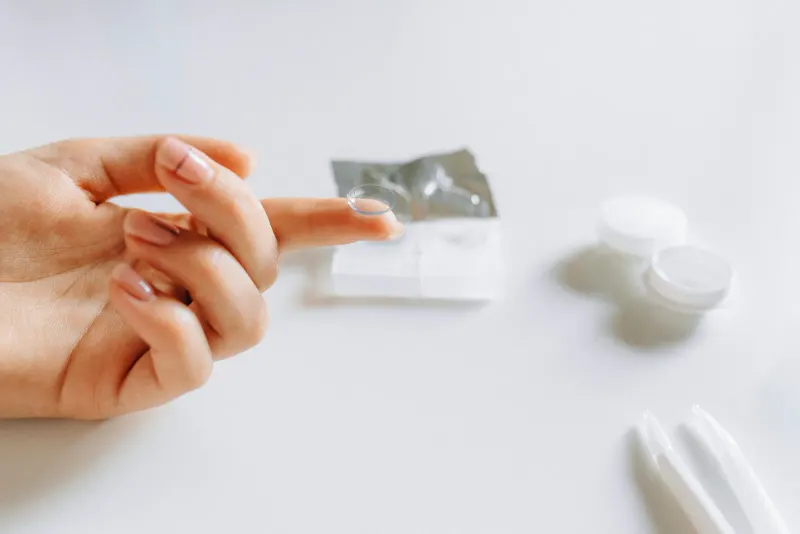
Safe contact lens wear is built from small habits. Hands should be washed and dried before touching lenses. Lenses should be replaced on the schedule prescribed, not stretched to save a few days. Fresh disinfecting solution should be used when storage is required. Water should stay away from lenses, because tap water, pools, hot tubs, and lakes can expose the eye to organisms that do not belong under a contact lens.
Daily disposable lenses reduce some cleaning steps because the lens is discarded after each use, but they do not remove the need for clean hands or symptom awareness. Reusable lenses require correct cleaning and case care. Cases should be replaced regularly, kept clean and dry between uses, and never topped off with old solution.
- Keep backup glasses available every day so the child is not tempted to wear a painful or dirty lens.
- Set a school plan for lost lenses, red eyes, or sports days.
- Do not let children trade lenses, use decorative lenses without a prescription, or sleep in lenses unless the doctor specifically prescribed that lens for overnight wear.
- Use reminders for replacement schedules so lenses are not worn beyond their intended life.
When Symptoms Need Same Day Attention
A red eye in a contact lens wearer is different from a red eye in a child who only wears glasses. If the child has eye pain, increasing redness, light sensitivity, discharge, sudden blur, or the feeling that something is stuck in the eye after lens removal, stop lens wear and contact the eye care office promptly. If the office is closed and symptoms are significant, urgent care or emergency evaluation may be appropriate.
Do not put the lens back in to see if the eye feels better. Do not use leftover prescription drops from another illness. Bring the lens case and lenses to the appointment if possible because they may help the clinician understand what happened.
Keeping Contact Lenses Positive
Children often enjoy the freedom of contacts, and that motivation can support good habits. The goal of closer follow-up is not to make lens wear feel scary. It is to catch small problems before they become large ones and to help the child become confident with a medical device.
If lens wear is becoming a daily struggle, tell the eye care team. The answer may be a different lens material, a daily disposable option, more training, allergy care, a shorter wear schedule, or returning to glasses for a while. Pediatric contact lens wear works best when safety, maturity, comfort, and the family's routine all fit together.