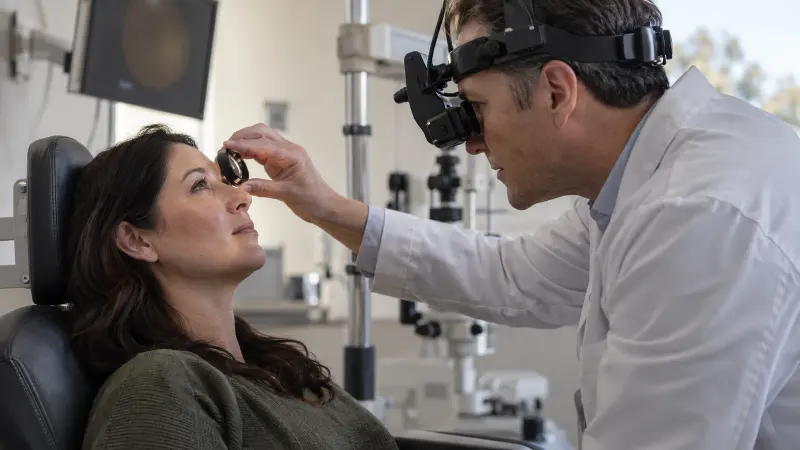
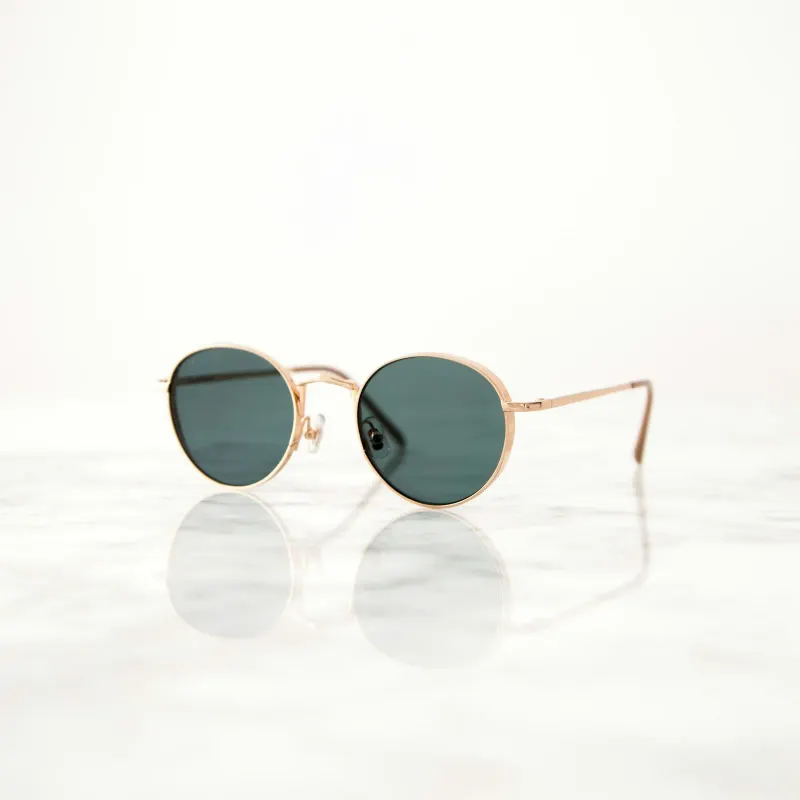
Progressive lenses blend distance, intermediate, and near power across one lens without a visible segment line. The wearer learns to direct the eyes through the appropriate zones and to move the head when looking through peripheral areas. Mild swim, blur at the sides, or changed stair perception can occur early, but accurate prescription, measurements, and frame position must still be checked.
Adaptation is not a requirement to tolerate severe, one-sided, or unsafe vision. Persistent symptoms deserve a structured recheck rather than endless waiting.
Progressive Lenses and Why Adaptation Takes Time is a common concern for people getting their first no-line multifocal glasses. Progressive lenses place distance, intermediate, and near vision zones in one lens. That design can be very convenient, but it asks the eyes, head, and brain to learn where to look for each task.
Some adaptation is expected. The first days may bring swimmy side vision, trouble with stairs, or a feeling that the reading area is smaller than expected. Adaptation should gradually improve. If the glasses remain uncomfortable, the cause may be the prescription, lens design, frame fit, measurements, or an eye health issue rather than a lack of effort.
What matters first for progressive lens adaptation?
Progressive lenses combine multiple focusing zones without a visible line. The appropriate response changes only after the clinician considers severity, reliability, and competing explanations.
- The brain needs time to learn the clear zones and ignore peripheral distortion.
- Frame fit and lens measurements are critical for comfort.
- Persistent blur, double vision, headaches, or dizziness should be rechecked.
- Sudden vision loss, new neurologic symptoms, or severe eye pain needs urgent care.
Why Progressive Lenses Feel Different
Single-vision glasses have one main power across the lens. Progressive lenses gradually change power from top to bottom. Distance is usually higher in the lens, reading is lower, and intermediate vision sits between them. The sides of the lens may have blur or distortion because of the way the optics are blended.
This is why a new wearer may need to point the nose more directly at what they want to see. Looking through the wrong area can make text blur, floors tilt, or computer screens feel hard to find. With practice, many people learn the movements without thinking about them.
Normal Adjustment Experiences
Needing to move the head instead of only the eyes. The next decision changes only after the clinician considers severity, reliability, and competing explanations.
- Feeling side distortion while walking
- Lowering the eyes to read
- Finding the computer zone by adjusting screen height
- Feeling slower on stairs at first
- Taking breaks during long reading sessions
These experiences should trend better. If symptoms are severe or not improving, the glasses should be checked rather than forcing through discomfort.
Why Measurements Matter
Progressive lenses depend on precise positioning. The optical center, segment height, pupillary distance, frame tilt, frame wrap, and how the frame sits on the nose can all affect the usable zones. A small measurement problem can make a good prescription feel wrong.
Frame choice matters too. Very shallow frames may limit room for the near zone. Frames that slide down change where the eyes look through the lens. If the frame was adjusted after ordering, the lens position may no longer match the original measurements.
How to Adapt More Safely
Start wearing the new glasses in a familiar environment. The weight of that detail rests on how well it fits the history, measurements, and care timeline.
- Use handrails on stairs until depth feels reliable.
- Turn your head toward side objects instead of glancing through the lens edge.
- Adjust the computer screen so the intermediate zone is comfortable.
- Return for a fit check if the frame slides or tilts.
Avoid switching back and forth all day between old and new glasses during the early adjustment period unless advised. Frequent switching can make adaptation feel slower. That said, safety comes first. Use the most reliable correction for driving or stairs if the new pair feels unsafe.
When the Problem Is Not Adaptation
Progressive lenses should not cause ongoing double vision, strong nausea, falls, severe headaches, or one eye seeing much worse than expected. Problems can come from an incorrect prescription, lens manufacturing error, poor measurements, frame misalignment, dry eye, cataracts, eye teaming issues, or retinal disease.
If one eye is blurrier than the other, cover each eye separately and compare. If the issue is clearly one-sided, or if it is paired with pain or sudden change, contact an eye care professional promptly.
When to Seek Urgent Care for progressive lens adaptation
New progressive lenses can reveal vision problems, but they do not explain sudden vision loss, a curtain-like shadow, new flashes or floaters, severe eye pain, sudden double vision, facial weakness, trouble speaking, or new imbalance. Those symptoms need urgent medical attention.
If the issue is discomfort only with the new glasses and vision is otherwise stable, start with the optical shop or prescribing eye care office. Bring the glasses, old glasses, and a clear description of which tasks are difficult.
Questions to Ask at a Recheck
Are the prescription and lens powers correct? The appropriate response should be judged against the symptom timeline, affected task, and current examination.
- Were the progressive measurements verified after frame adjustment?
- Is this lens design right for my computer or work needs?
- Would occupational glasses work better for a specific task?
- Could dry eye, cataract, or eye teaming be contributing?
Progressive lenses can take time because they are doing several jobs at once. Adaptation is real, but so is troubleshooting. A comfortable pair usually depends on the right prescription, accurate measurements, a stable frame, and realistic task planning.
Task-Specific Alternatives
Progressive lenses are meant for general use, but they are not ideal for every task. A person who spends hours at a desktop computer may need occupational lenses with a wider intermediate zone. A musician may need clear focus at a music stand. A mechanic, artist, or dentist may need a working distance that does not match the standard reading zone.
- Measure the distance to your computer, instrument, or work surface.
- Tell the optician how long you spend on each task.
- Ask whether a separate pair would reduce neck strain.
- Ask whether the frame shape limits the usable reading area.
Good troubleshooting starts with real distances. Guessing from memory often leads to lenses that work in the exam room but not at work or home.
In Why Progressive Lens Adaptation Takes Time, if that is the unresolved part of the decision, What to Recheck When New Glasses Feel Wrong explains the adjacent issue without replacing the examination described here.