A child may need an eye examination if they repeatedly squint, sit unusually close, close or cover one eye, tilt the head, lose place while reading, complain of blur or double vision, develop headaches with visual tasks, or avoid work that requires seeing clearly. These behaviors are clues, not diagnoses, and can have visual, learning, attention, language, or other causes. For a related symptom pattern, read Infant Vision Warning Signs Parents Should Know.
A passed screening does not rule out every refractive, binocular, focusing, eye-health, or task-specific problem. Persistent concerns deserve follow-up. You can compare this topic with Why Premature Infants Need Ongoing Eye Follow-Up.
Signs a child may not be seeing well at school can be subtle. Children often assume everyone sees the way they do, so they may not say the board is blurry or that words move on the page. Instead, vision problems may show up as squinting, headaches, avoidance, behavior changes, or falling behind in visually demanding tasks.
Not every school struggle is caused by eyesight, and not every vision problem causes school trouble. Still, clear and comfortable vision supports learning, attention, confidence, and participation. When parents or teachers notice patterns, a comprehensive eye exam can answer questions that a quick screening may miss.
What matters first for signs child cannot see well at school?
Common signs include squinting, sitting close, losing place while reading, headaches, eye rubbing, closing one eye, or avoiding near work.
- A child can pass a school vision screening and still have an eye teaming, focusing, or eye health problem.
- The CDC notes that uncorrected vision problems can affect learning, testing, class participation, behavior, and self-confidence.
- Urgent evaluation is needed for a new eye turn, white pupil reflex, sudden vision loss, eye injury, or severe eye pain.
Classroom Signs Parents May Hear About
Teachers may notice a child copying slowly from the board, losing place during reading, skipping words, leaning close to the desk, or avoiding tasks that require sustained near focus. A child may perform better orally than on worksheets. They may become restless during reading but do well in hands-on activities. Some children complain of headaches after school or seem unusually tired after homework.
The CDC's child vision guidance reminds families that vision screenings identify children who may need additional care, while a comprehensive eye exam can diagnose a medical or vision problem and provide treatment. This distinction matters. Screenings are helpful public health tools, but they are not a full eye exam.
Common school-age vision issues include nearsightedness, farsightedness, astigmatism, amblyopia, strabismus, convergence insufficiency, and accommodative dysfunction. Some affect distance vision. Others affect near comfort, eye teaming, or the development of clear vision in one eye.
Home Clues That Fit the Pattern
Parents may notice signs during homework, reading, sports, or screen use. A child might hold books very close, cover one eye, tilt the head, rub the eyes, blink often, or ask for repeated breaks. They may avoid catching or hitting balls because depth perception is affected, or they may sit close to the television because distance is blurry.
- Notice whether symptoms happen with distance viewing, near work, or both.
- Ask whether headaches occur after reading, screens, or school days.
- Watch for one eye turning in or out, even occasionally.
- Keep notes from teachers about copying, reading stamina, and board work.
Children may also mask symptoms. A child with one strong eye can pass many daily tasks while the weaker eye is not developing normally. That is one reason eye exams are important even when a child does not complain.
What an Eye Exam May Check
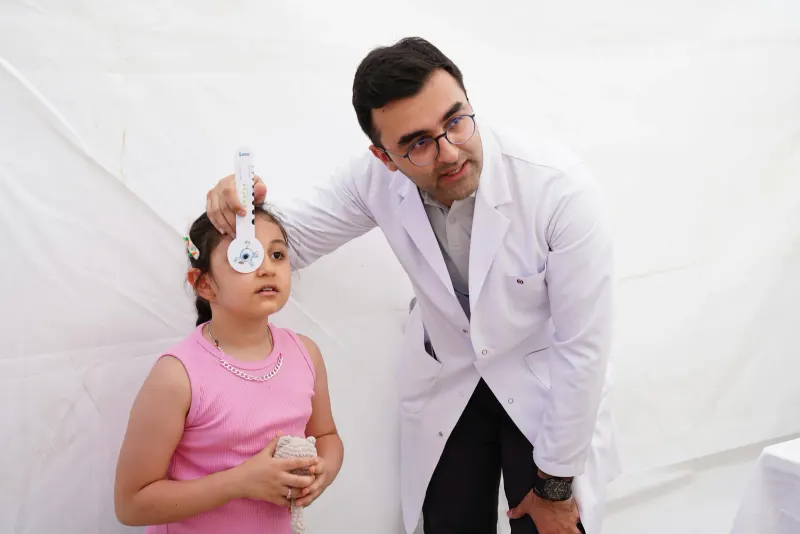
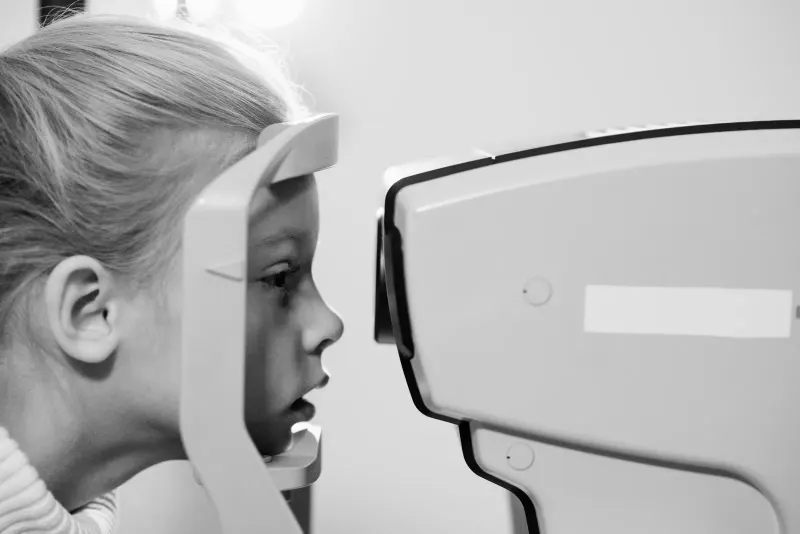
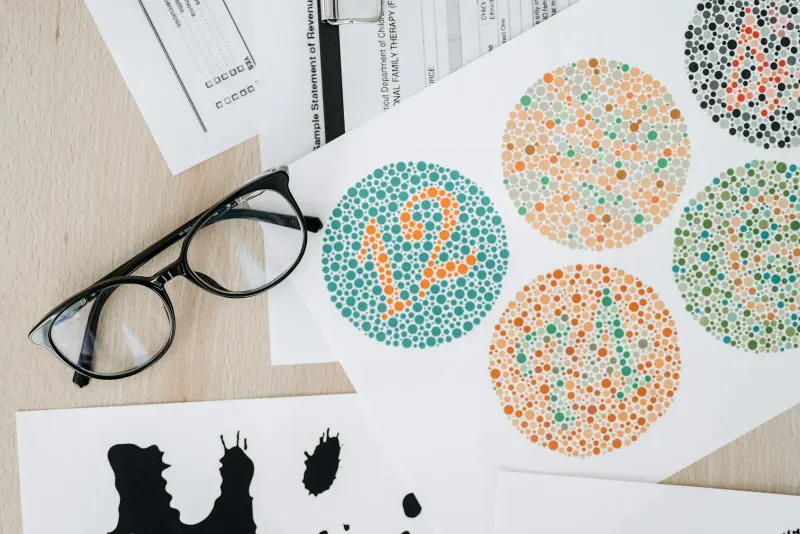
A comprehensive pediatric eye exam may assess visual acuity, refraction, eye alignment, eye movement, depth perception, focusing ability, eye teaming, pupil responses, and ocular health. Dilation may be recommended, especially when the doctor needs to measure the full prescription or check the back of the eye.
The exam can also separate vision issues from learning issues. For example, convergence insufficiency can make near work uncomfortable, but treating it does not automatically fix reading instruction needs. A child may need both eye care and educational support. The right question is not whether the problem is vision or learning in every case. Sometimes more than one factor is present.
- Bring school screening results, teacher notes, and prior prescriptions.
- Tell the clinician if the child was premature, had developmental delays, or has a family history of eye disease.
- Ask whether the exam checked near vision and eye teaming, not only distance clarity.
- Ask when the child should be rechecked if glasses or treatment are prescribed.
When to Schedule Promptly
Schedule an eye exam if a child fails a vision screening, complains that the board is blurry, has recurring headaches with near work, closes one eye to read, loses place often, or shows a consistent eye turn. A prompt appointment is also reasonable when school performance changes without a clear explanation.
Same day or urgent care is needed for eye injury, chemical exposure, severe eye pain, sudden vision loss, a new white pupil reflex, a sudden eye turn, new double vision, or a red painful eye with light sensitivity. These signs should not wait for a routine back-to-school exam.
Questions Parents Ask for signs child cannot see well at school
One common question for people considering signs child cannot see well at school is "Can my child need glasses even if they never complain" That question and the related points below are answered separately because they do not all depend on the same finding.
Can my child need glasses even if they never complain
Yes. Children often adapt to blur or rely on one eye. They may not know what clear vision should look like. Objective testing can identify prescriptions and eye health concerns even when complaints are absent.
Are school screenings enough
Screenings are useful but limited. They may miss farsightedness, focusing problems, eye teaming issues, and some eye health concerns. A failed screening should be followed by a complete eye exam, and persistent symptoms deserve an exam even after a passed screening.
Will glasses solve school problems
Glasses can help when blur or eye strain is part of the problem. They do not replace reading instruction, attention evaluation, or support for learning differences. Improvement should be tracked in both vision comfort and school function.
The Practical Takeaway for signs child cannot see well at school
Signs a child may not be seeing well at school are often behavioral rather than verbal. Squinting, avoidance, headaches, slow copying, and reading fatigue are worth investigating. A comprehensive eye exam can identify whether a vision problem is contributing and can guide glasses, treatment, monitoring, or referral when needed.
Readers leaving Signs a Child May Not Be Seeing Well at School can continue with What Makes School-Age Vision Complaints Easy to Miss, which addresses a distinct step rather than repeating this page.