Infant vision problems can be hard to spot because babies cannot describe blur, double vision, or eye pain. Parents should watch for eye alignment changes, unusual pupil appearance, poor visual attention, constant tearing, light sensitivity, and developmental concerns. For a related symptom pattern, read School-Age Vision Complaints That Can Be Easy to Miss.
Many eye findings in babies are harmless and temporary, but some need prompt care. When something seems off, an eye exam can help separate normal development from a problem that may affect vision. You can compare this topic with Premature Infants and Eye Risk: Why Follow-Up Matters.
At a Glance
- Seek care if a baby's eyes are constantly crossed, one eye drifts often, or the baby does not seem to notice faces or lights as expected.
- A white pupil, cloudy cornea, severe light sensitivity, eye injury, or painful red eye needs urgent evaluation.
- Infant vision checks look at eye health, alignment, focusing, tracking, and signs of amblyopia risk.
- Parents do not need to prove a diagnosis before asking for an eye exam.
Warning Signs Parents Can Notice
Parents often see patterns during feeding, play, photos, or diaper changes. A one time odd eye position in a newborn may not mean disease, but frequent or persistent signs should be checked.
- One eye turns in, out, up, or down often after the early newborn period.
- One pupil looks white, gray, or different in photos.
- The cornea looks cloudy or enlarged.
- The baby seems very sensitive to light.
- One or both eyes tear constantly or have repeated discharge.
- The baby does not track faces, lights, or toys as expected for age.
- The baby tilts the head, closes one eye, or rubs the eyes often.
Why Early Eye Care Matters
Infants are still developing visual pathways. Amblyopia, often called lazy eye, can develop when one eye does not get clear input. Cataract, glaucoma, retinal disease, high prescription, or strabismus can affect visual development if not addressed.
The American Optometric Association describes infant vision care as part of checking early eye and vision development. The American Association for Pediatric Ophthalmology and Strabismus also supports age appropriate vision screening and referral when screening raises concern.
Urgent Infant Eye Symptoms
Seek urgent medical or eye care for a white pupil, eye injury, chemical exposure, severe redness, swelling around the eye, cloudy cornea, sudden eye bulging, severe light sensitivity, or signs that the baby is in pain. These symptoms should not wait for a routine screening.
Also seek prompt care if an eye infection is suspected in a newborn or if discharge comes with swelling, fever, or poor feeding. Infants need careful medical evaluation because symptoms can change quickly.
What the Infant Eye Exam May Include
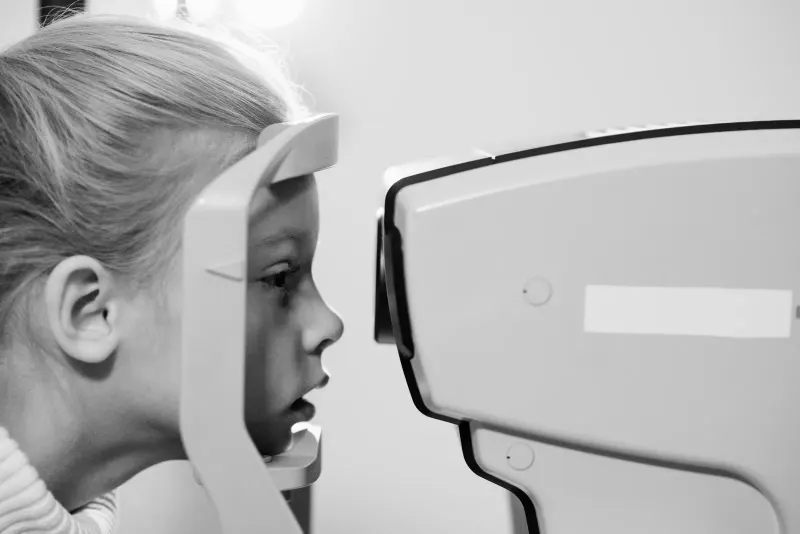
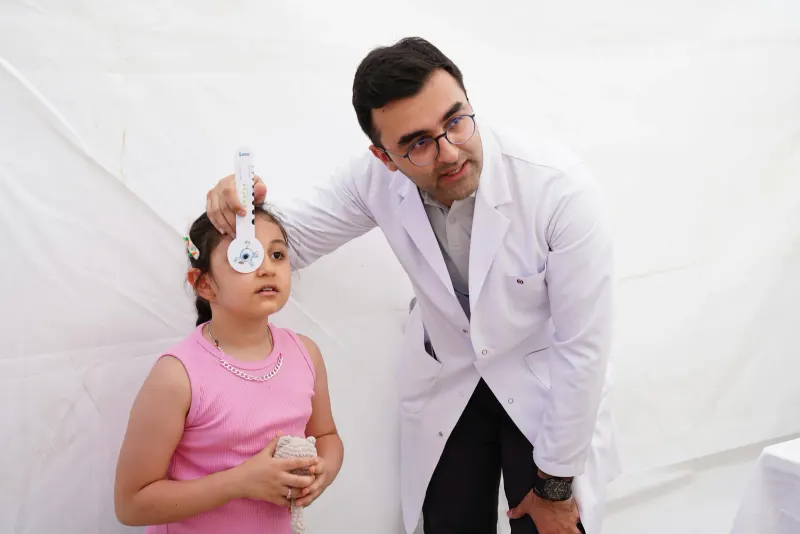
The doctor may use lights, toys, lenses, and drops to check the eyes. The exam can assess pupil reflexes, eye alignment, tracking, the red reflex, prescription, eye pressure when needed, and the health of the retina and optic nerve.
Dilating drops may be used to examine the back of the eye and measure focusing. Babies may cry during parts of the exam, but the information can be valuable for detecting problems early.
How Parents Can Prepare
- Bring photos that show a white reflex, eye turn, or unusual pupil appearance.
- Write down when the sign started and whether it happens in one eye or both.
- Bring pregnancy, birth, NICU, and family eye history if relevant.
- Tell the doctor about prematurity, developmental concerns, seizures, or genetic conditions.
Parents know their baby's normal behavior. If visual attention, eye appearance, or eye movement seems different, that observation deserves to be heard.
Vision and Development Clues
Vision concerns can show up as feeding difficulty, poor eye contact, delayed reaching, unusual head posture, or distress in bright light. These signs can have many causes, so an eye exam works best as part of the baby's overall medical and developmental care.
If a pediatrician, therapist, or caregiver notices a pattern, bring that observation to the eye visit. The doctor can explain which signs come from the eyes and which may need neurologic or developmental follow-up.
Photo Clues and Screening Limits
Photos can reveal a pupil color difference, repeated white reflex, or eye turn that is hard to catch in a short visit. Bring several photos if the finding appears in one eye or keeps showing up from different angles.
Screenings help identify babies who need referral, but they are not the same as a full eye exam. A baby may pass a screening and still need care if parents see persistent crossing, poor tracking, cloudy cornea, constant tearing, or light sensitivity.
If your concern changes quickly, do not wait for the next scheduled screening. Call the child's medical team or seek urgent care based on the symptom.
Frequently Asked Questions
Do babies need eye exams if they pass a pediatric screening?
A passed screening is reassuring, but it does not rule out every eye problem. Seek an eye exam if signs persist or a parent, caregiver, or clinician remains concerned.
Is occasional eye crossing normal in babies?
Brief misalignment can occur in young infants, but frequent, constant, or persistent crossing should be checked. A pediatric eye clinician can tell whether it fits normal development.
What does a white pupil in a photo mean?
A white pupil can come from camera angle, but it can also signal serious eye disease. Have it checked promptly, especially if it appears repeatedly or in one eye.
Can tearing be a vision problem in an infant?
Constant tearing can come from a blocked tear duct, irritation, infection, or other eye conditions. Tearing with light sensitivity, cloudiness, swelling, or pain should be checked promptly.