
Preschool vision screening helps find children who may need a full eye exam before vision problems affect learning, play, or visual development. A screening is not the same as a complete eye exam, but it can identify children who should be referred.
Young children may not know how to explain blur, double vision, or poor depth perception. They may assume everyone sees the way they do. That makes age-appropriate screening and parent observations important. For a related symptom pattern, read Premature Infants and Eye Risk: Why Follow-Up Matters.
At a Glance
- Preschool children should have age-appropriate vision checks even when they do not complain.
- Screening can look for amblyopia risk, eye alignment problems, unequal vision, and significant refractive error.
- A failed or incomplete screening should lead to an eye care referral.
- Eye pain, injury, light sensitivity, white pupil reflex, or sudden vision change needs prompt care.
- Parents can help by sharing family history and behavior clues.
Why Preschool Screening Matters
Early childhood is an important time for visual development. Conditions such as amblyopia, strabismus, and uncorrected refractive error can affect how the brain uses input from the eyes.
The American Association for Pediatric Ophthalmology and Strabismus provides vision screening recommendations by age and referral criteria. The details vary by age because a toddler, preschooler, and school-age child cannot complete the same test in the same way.
Screening is designed to find children who need more evaluation. Passing a screening is reassuring, but it does not replace a comprehensive eye exam when symptoms or risk factors are present.
What Screeners May Check
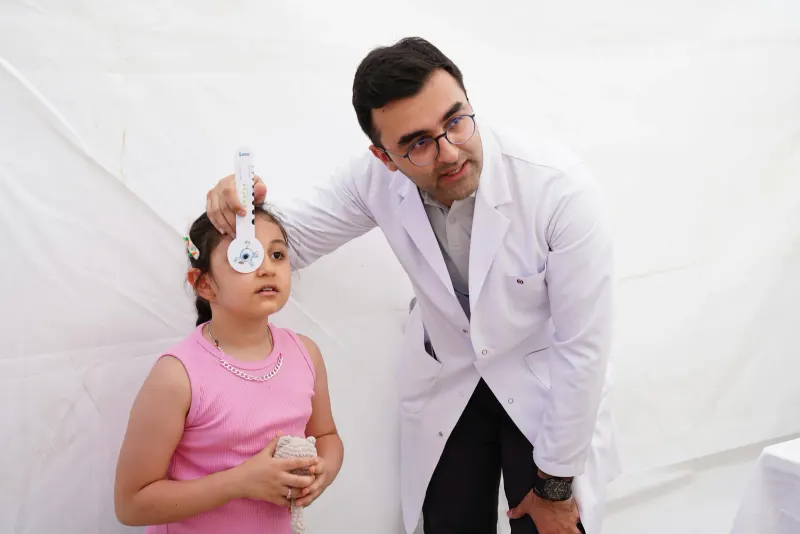
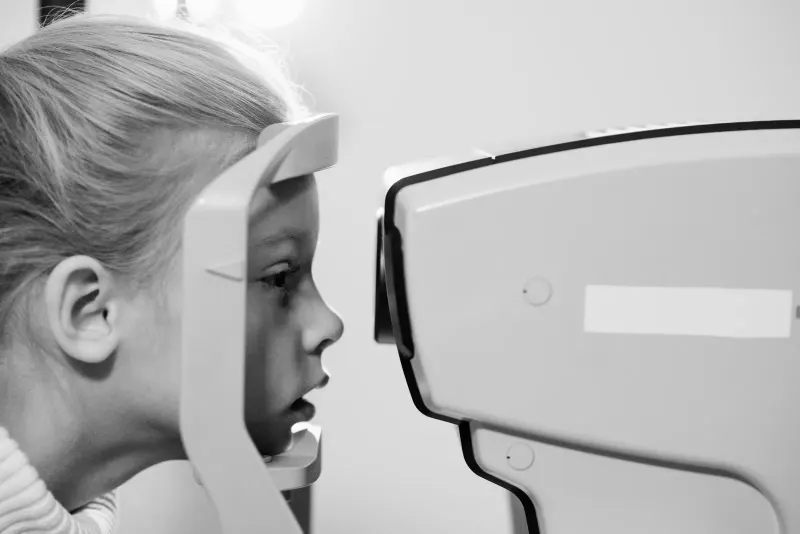
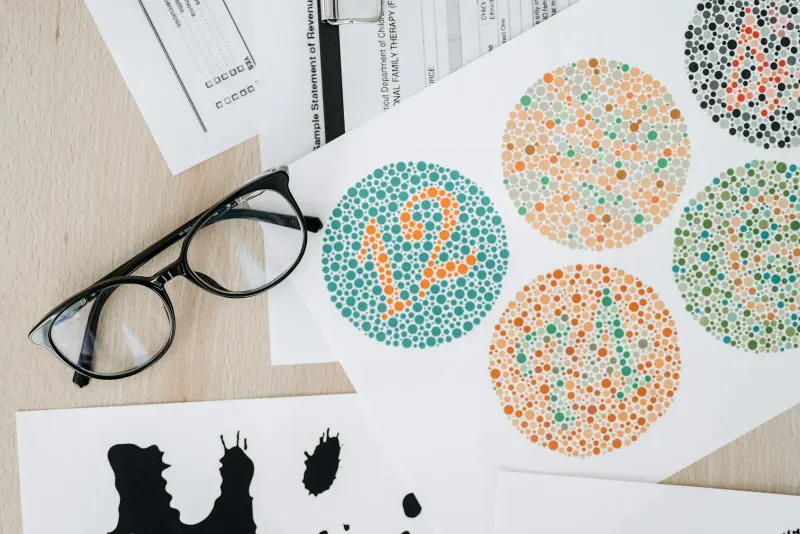
Preschool screening may include visual acuity with shapes or letters, photoscreening, eye alignment checks, red reflex, and observation of eye movement. The exact method depends on the child's age and cooperation.
- Whether each eye can see age-appropriate targets.
- Whether the eyes appear straight and move together.
- Whether one eye may have a stronger prescription than the other.
- Whether the red reflex looks normal.
- Whether the child can complete the test reliably.
An incomplete screening is not a failure by the child. Some children are shy, tired, distracted, nonverbal, or developmentally different. They may need another attempt or a direct eye exam.
Signs Parents Should Mention
Parents and caregivers see patterns that a quick screening may miss. Bring up concerns even if a child passed a school or pediatric screening.
- Squinting, closing one eye, or covering one eye.
- Frequent eye rubbing or complaints of headaches.
- Sitting very close to books, tablets, or television.
- Eyes that cross, drift, or do not appear aligned.
- Clumsiness, trouble with stairs, or poor depth judgment.
- A family history of amblyopia, strabismus, high prescription, or childhood eye disease.
Children with developmental delays, premature birth history, neurologic conditions, or genetic syndromes may need individualized eye care guidance.
When a Child Needs Prompt Eye Care
Seek prompt care if a child has eye injury, severe pain, light sensitivity, sudden vision change, a white or unusual pupil reflex in photos, a new eye turn, swelling around the eye, or persistent redness with discharge.
Infants or preschoolers may show eye pain by avoiding light, refusing to open an eye, crying when the eye is touched, or becoming unusually clingy. Trust these behavior changes when they are paired with eye signs.
What Happens After a Referral
A pediatric eye exam may include visual acuity testing, eye alignment evaluation, pupil and red reflex checks, focusing assessment, and dilation. Dilation helps the doctor measure the prescription and examine the inside of the eye.
Some children need glasses, patching, eye drops prescribed by the doctor, monitoring, or referral to a pediatric ophthalmologist. Treatment depends on the diagnosis, age, and how each eye is being used.
Parents often worry that a child will not cooperate. Pediatric eye teams use age-appropriate methods, pictures, lights, and objective tests to gather information even when a child cannot read letters.
How to Prepare Your Child
- Describe the visit as looking at pictures, lights, and eye movements.
- Bring current glasses, prior screening results, and family eye history.
- Schedule around naps or meals when possible.
- Tell the office about sensory needs, communication differences, or mobility needs.
- Bring comfort items if they help the child cooperate.
Common Parent Questions
Can a child pass a screening and still need an eye exam?
Yes. Symptoms, family history, eye turn, or parent concern can justify a full exam even after a pass result.
Does a referral mean my child has a serious problem?
No. A referral means the screening found something that needs a complete exam or the test could not be completed reliably.
Why does timing matter?
Some childhood vision problems respond better when found earlier. Delayed evaluation can make treatment more difficult for certain developmental vision issues.
Preschool vision screening works best when parents understand its purpose. It is a safety net that helps identify children who need a closer look, not a final diagnosis.
Screening Versus a Complete Eye Exam
A screening is brief and looks for signs that a child may need more testing. A complete eye exam evaluates eye health, prescription, eye teaming, focusing, and the inside of the eye in more detail. Both have value, but they answer different questions.
If a child fails a screening, do not wait for school struggles before scheduling the referral exam. Children can adapt around blur by avoiding near work, losing attention, or relying on the stronger eye.
Why One Eye Can Hide a Problem
A child with one stronger eye may function well enough that parents do not notice a problem. The weaker eye may still need treatment to support visual development. That is why screeners often test each eye separately.
Watch for frustration with puzzles, coloring, catching balls, or copying shapes. These behaviors do not diagnose an eye problem, but they can help the eye doctor understand how vision may affect daily activities.
Follow-Through After Screening
Keep a copy of the screening result and bring it to the eye exam. Ask what was tested, which eye raised concern, and whether the child could complete the test. That information helps the eye care team choose age-appropriate testing.
If treatment begins, ask how progress will be measured and when follow-up should happen. Glasses, patching, or other treatment only helps when the child can use the plan consistently enough for the diagnosis.