
Pediatric Ophthalmology
Fourth Nerve Palsy in Children: A Family Guide
After a head injury, call your child's doctor right away if your child's condition changes. Watch for these danger signs:
10 min read · Updated Sep 23, 2026
Read article

Specialty
Pediatric ophthalmology evaluates and treats eye disease, misalignment, amblyopia, refractive problems, blocked tear ducts, eyelid conditions, inherited.
Articles
Pediatric Ophthalmology
After a head injury, call your child's doctor right away if your child's condition changes. Watch for these danger signs:
10 min read · Updated Sep 23, 2026
Read article

Pediatric Ophthalmology
A useful blocked-tear-duct note is short enough to keep. Once a day, record which eye is affected, whether tears reached the cheek, whether discharge was clear or colored, and whether the eyelid or skin looked different.
10 min read · Updated Sep 23, 2026
Read article
Pediatric Ophthalmology
A parent-friendly guide to ocular albinism, the eye and genetic evaluation, and support questions for home and school.
8 min read · Updated Sep 15, 2026
Read article
Pediatric Ophthalmology
Learn which possible childhood glaucoma signs parents should bring to a pediatric eye doctor and why symptoms cannot confirm the cause.
6 min read · Updated Sep 14, 2026
Read article

Pediatric Ophthalmology
Learn which eye changes in a child deserve an eye exam and how to share useful observations without trying to diagnose the cause at home.
6 min read · Updated Sep 9, 2026
Read article

Pediatric Ophthalmology
Create treatment, calendar, and observation routines for a child with glaucoma without trying to measure pressure or change care at home.
7 min read · Updated Sep 8, 2026
Read article

Pediatric Ophthalmology
Keep clinician-set eye screening on schedule for a child with juvenile idiopathic arthritis, even when the eyes seem comfortable.
7 min read · Updated Sep 8, 2026
Read article

Pediatric Ophthalmology
Use one shared plan for home, school, visits, and care questions while a child's eye team directs Coats disease care.
6 min read · Updated Sep 2, 2026
Read article

Pediatric Ophthalmology
Learn why a new white pupil reflection in a child needs prompt eye care and what parents should record before the visit.
6 min read · Updated Sep 2, 2026
Read article
Pediatric Amblyopia
Amblyopia care depends on daily follow-through and measured progress. Learn what follow-up visits track and how families can report practical barriers without blame.
6 min read · Updated Aug 1, 2026
Read article
Pediatric Strabismus
A baby's eyes can occasionally look crossed during the first few months, and a wide nasal bridge can create a false crossed-eye appearance.
8 min read · Updated Aug 1, 2026
Read article
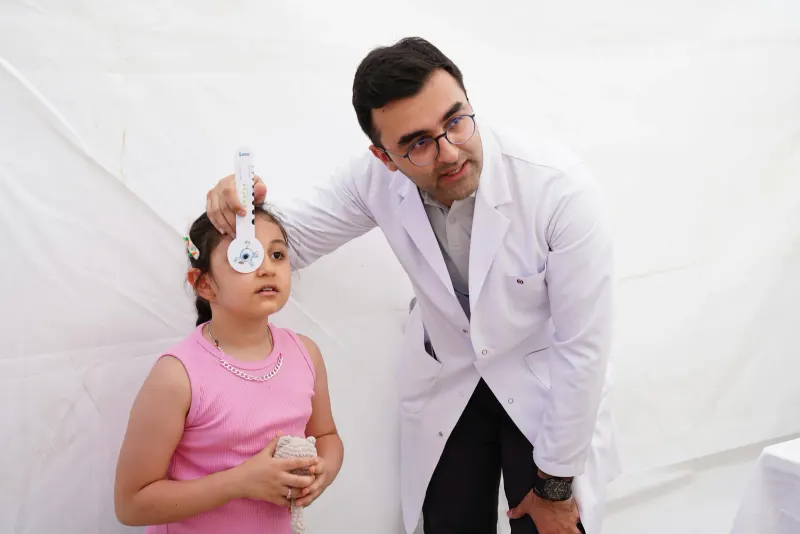
Pediatric Screening
Infants cannot describe blur or double vision, so parents and clinicians rely on alignment, pupil appearance, visual attention, tracking, eyelid position, tearing, redness, and developmental behavior.
6 min read · Updated Aug 1, 2026
Read article
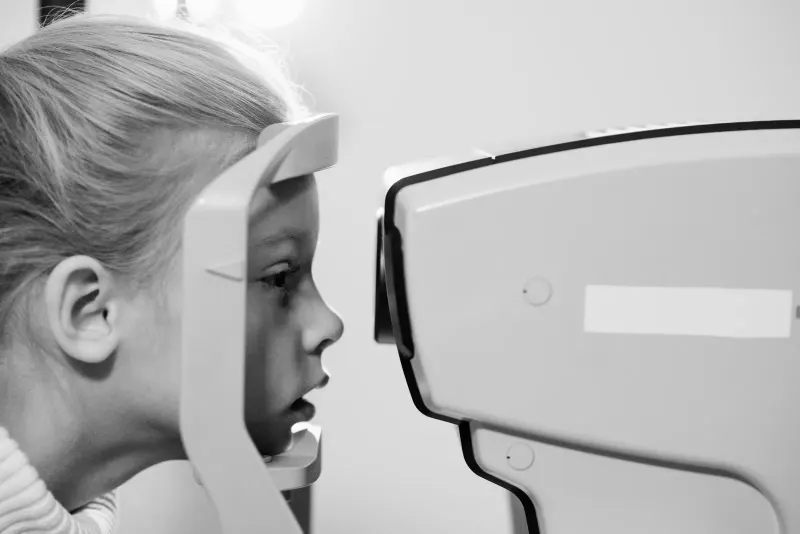
Pediatric Screening
School-age vision complaints are easy to miss when a child passes a brief distance screen, uses one eye to compensate for the other, develops symptoms only after sustained work, or cannot describe blur and double vision clearly.
6 min read · Updated Aug 1, 2026
Read article
Pediatric Screening
Premature infants need the eye follow-up specified by their neonatal and ophthalmology teams even when they appear to see normally.
6 min read · Updated Aug 1, 2026
Read article

Pediatric Screening
Children should have age-appropriate vision checks throughout early childhood, including screening for amblyopia and its risk factors during the preschool years.
7 min read · Updated Aug 1, 2026
Read article

Pediatric Screening
A child may need an eye examination if they repeatedly squint, sit unusually close, close or cover one eye, tilt the head, lose place while reading, complain of blur or double vision, develop headaches with visual tasks, or avoid.
6 min read · Updated Aug 1, 2026
Read article